How ’Bout Them Cowgirls
The Rise of the West-

In recent years, a remarkable trend has been taking the Western world by storm - the rise of the cowgirl. Traditionally associated with the rugged frontier and male-dominated cattle ranches, the cowgirl has emerged as a symbol of strength, independence, and resilience. With their infectious spirit and unwavering determination, these women have shattered stereotypes and carved a niche for themselves in the Western lifestyle.
Once confined to the shadows of their male counterparts, the cowgirls refused to accept the limitations imposed upon them. Instead, they embraced the wide-open spaces, rode the untamed stallions, and fearlessly herded cattle across the vast prairies. They proved that femininity and strength can coexist harmoniously, leaving an indelible mark on the Western landscape.
The rise of the cowgirl can be attributed to several factors. Firstly, increasing gender equality and the acknowledgment of women's rights have played a pivotal role. As societies evolved and recognized the importance of inclusivity, women were empowered to pursue their passions, breaking free from societal expectations.
Additionally, the advent of social media has provided the perfect platform for cowgirls to showcase their unique lifestyles. Through striking photographs, captivating videos, and heartfelt narratives, these women have captivated audiences worldwide, challenging preconceived notions of what it means to be a cowgirl. Their stories have resonated with people from all walks of life, inspiring others to embrace their own authenticity and pursue their dreams fearlessly.
Moreover, the Western entertainment industry has played a significant role in elevating the visibility and appeal of the cowgirl lifestyle. Films, television shows, and books have portrayed strong, independent women who have proved themselves in a male-dominated world. These portrayals have not only entertained audiences but also encouraged young girls and women to dream big and believe in their abilities.
The success of the cowgirl is not limited to one particular country; it has spread its influence across the globe. Women from all corners of the world have taken inspiration from the Western cowgirl and integrated the spirit into their own cultures. The rise of Western-inspired rodeos, equestrian events, and clothing brands catering to cowgirl fashion bear testament to the global impact of this phenomenon.
Breaking free from societal expectations, these women have redefined the Western landscape and inspired generations to come. With their unwavering determination, infectious spirit, and audacious sense of adventure, the cowgirl has become an icon of empowerment and a symbol of the enduring spirit of the West.


The rise of the Western cowgirl is a manifestation of the relentless pursuit of dreams, a celebration of femininity, and a testament to the power of resilience……
How ’Bout
Them
Cowgirls
The West was never only his.
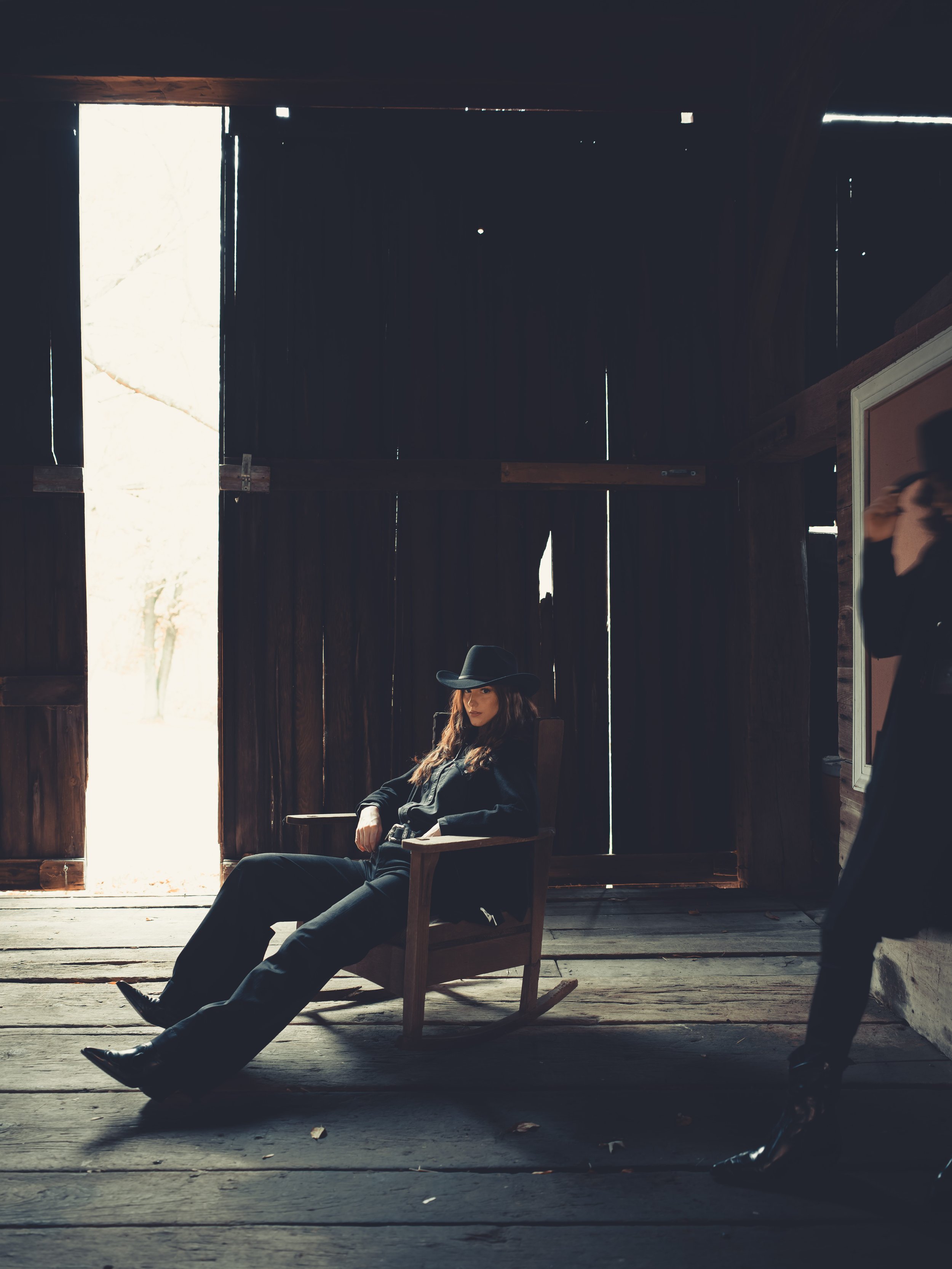
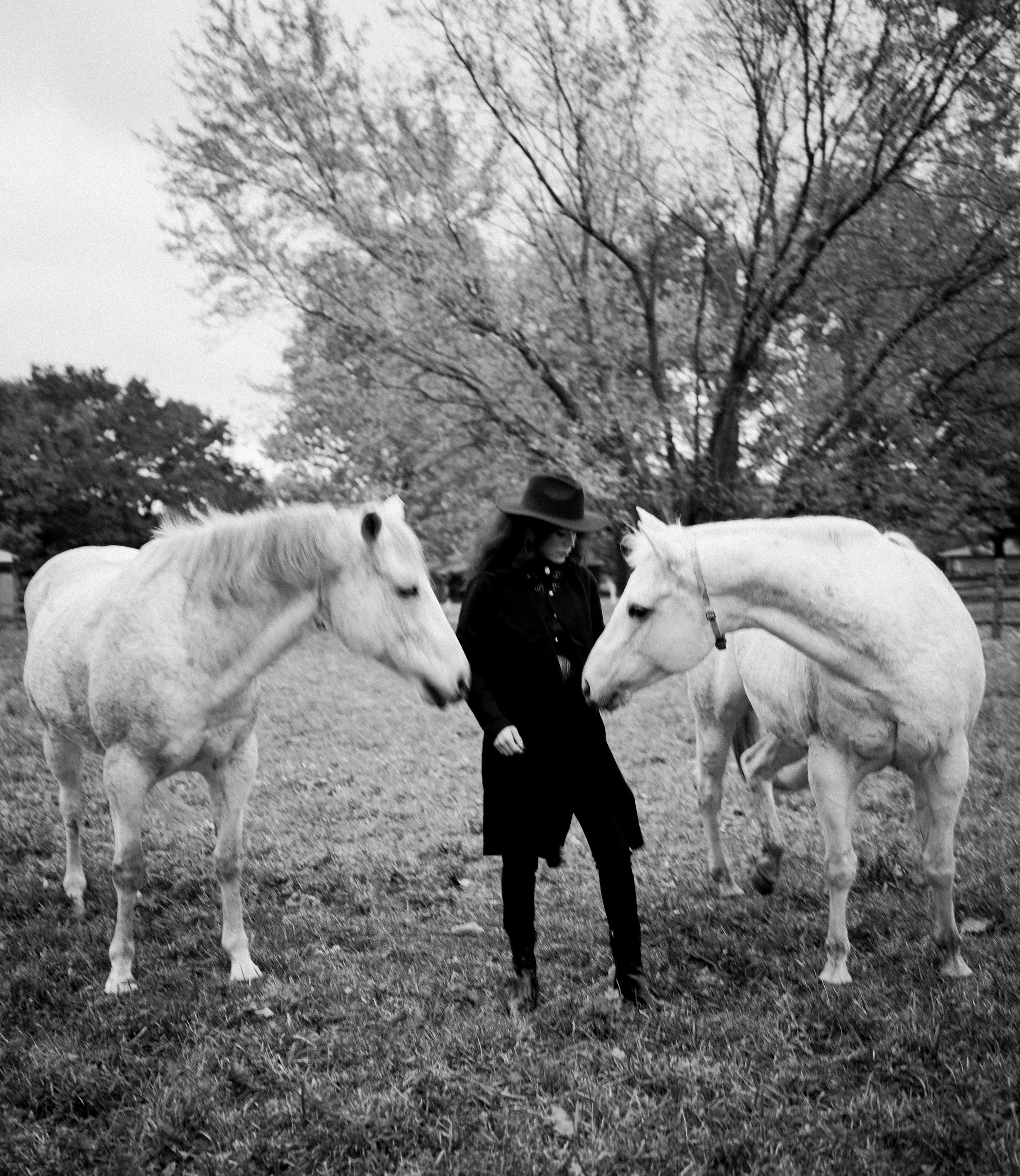
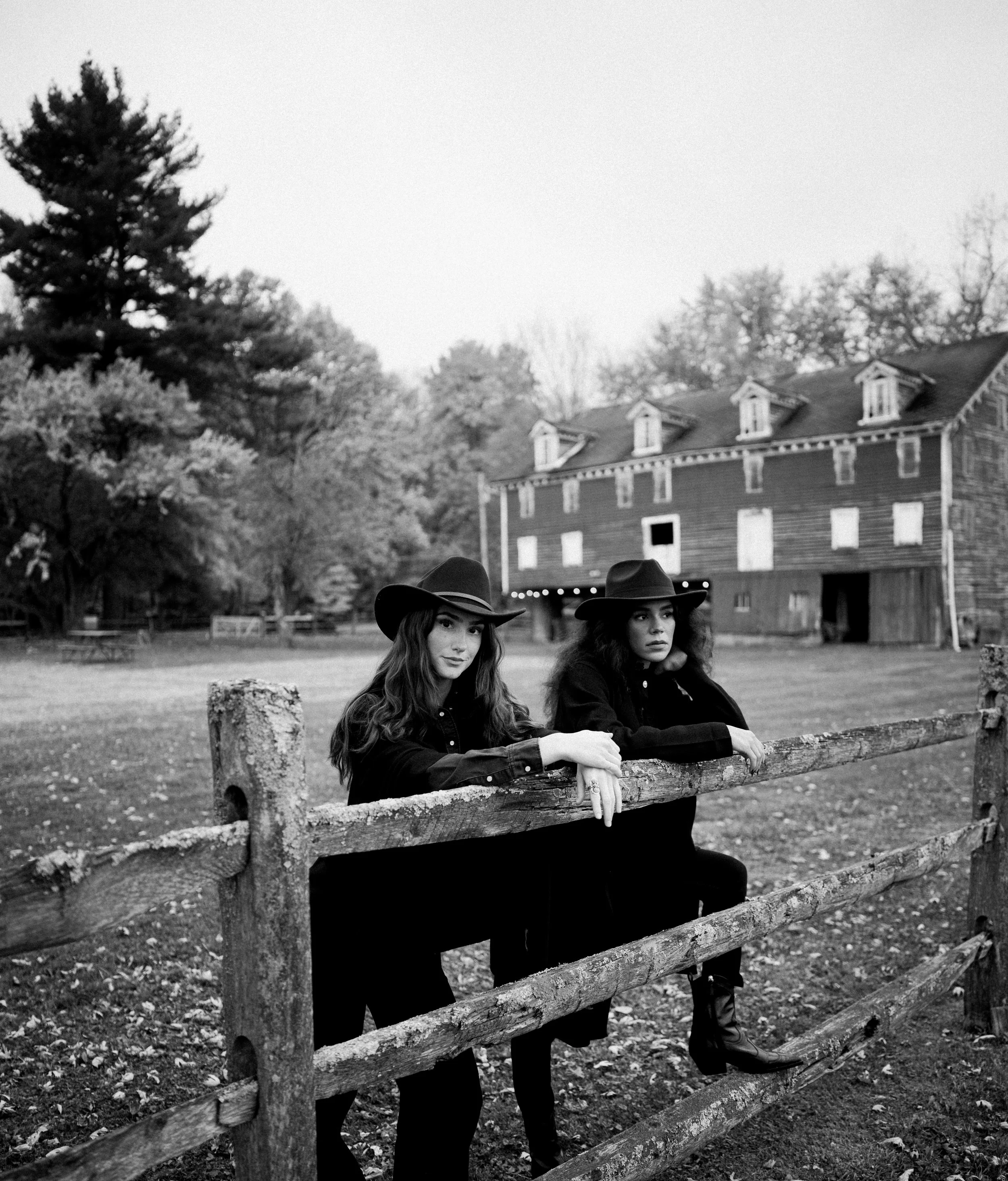
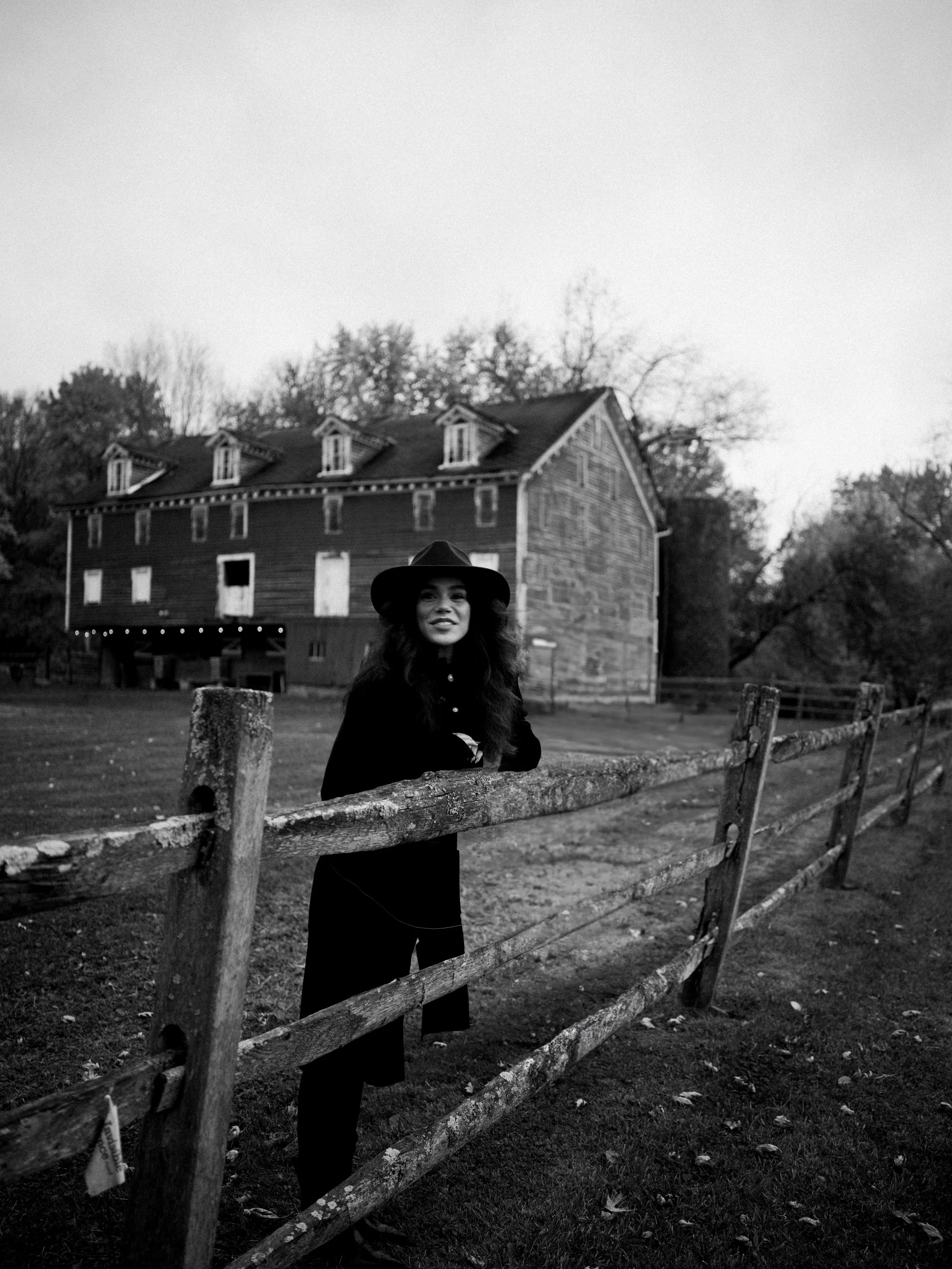
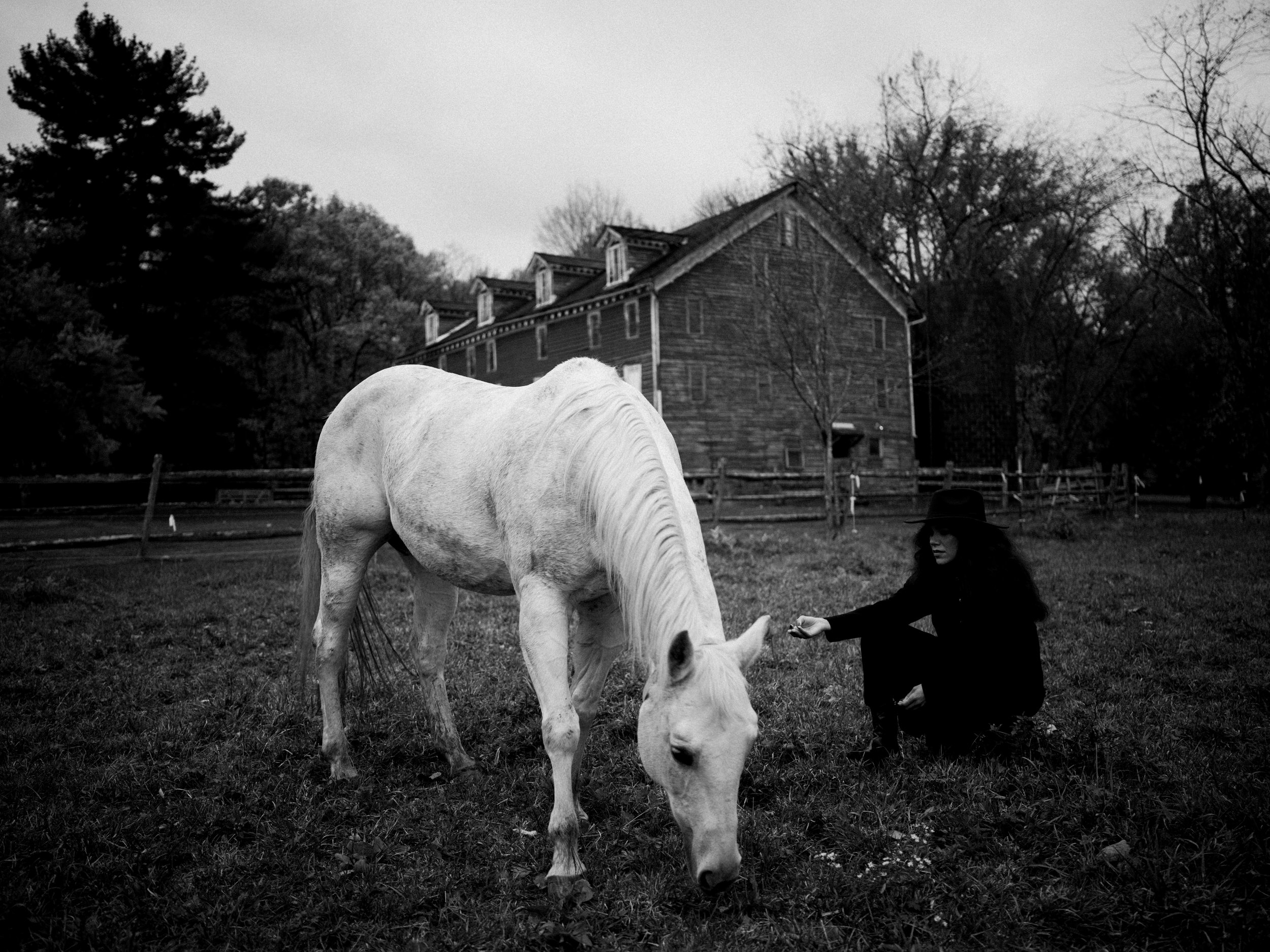
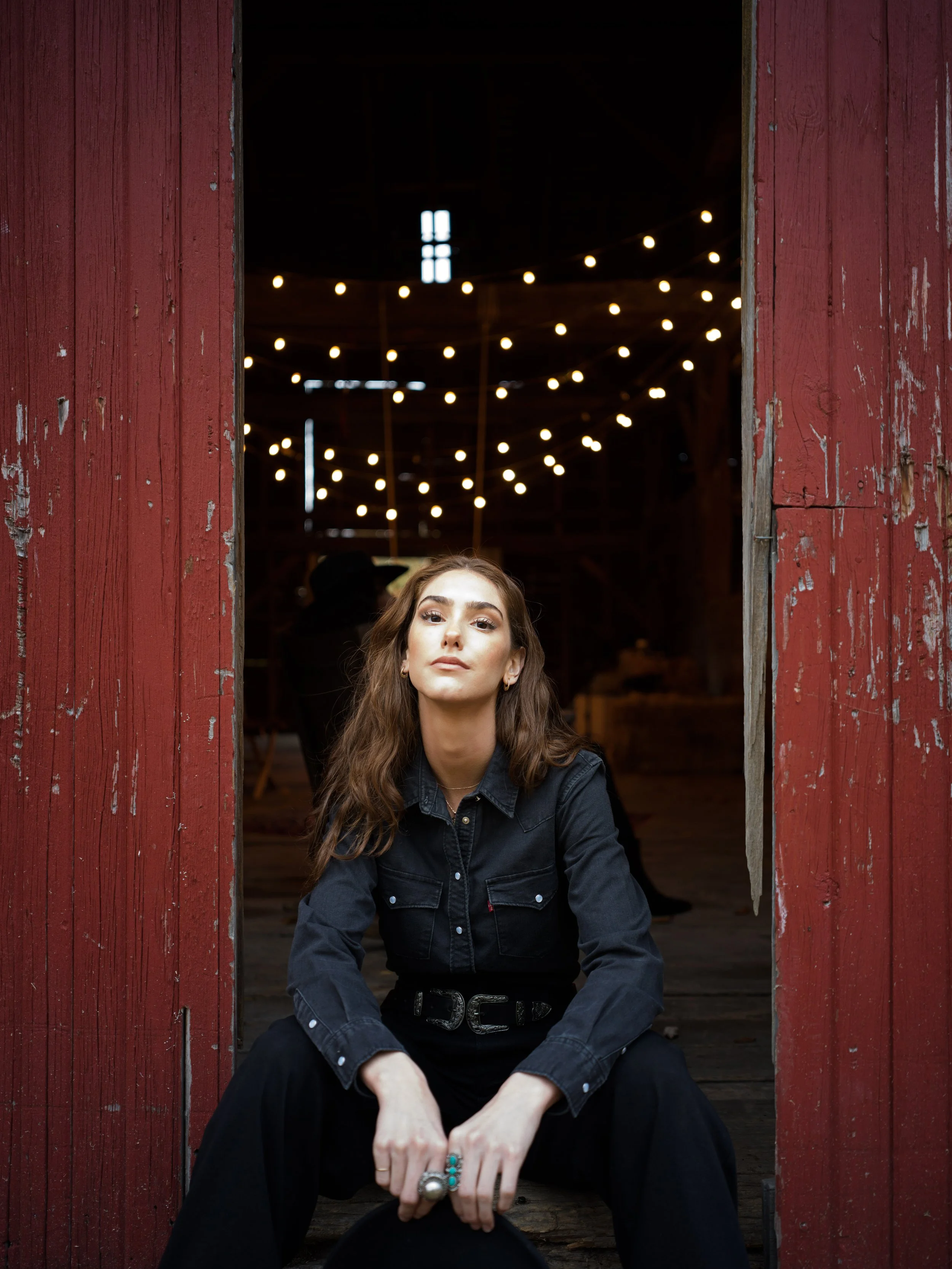
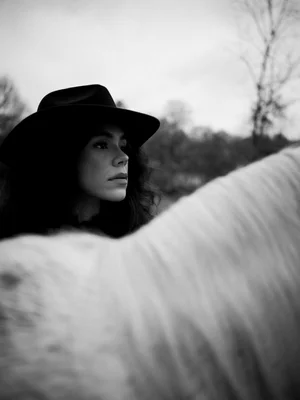
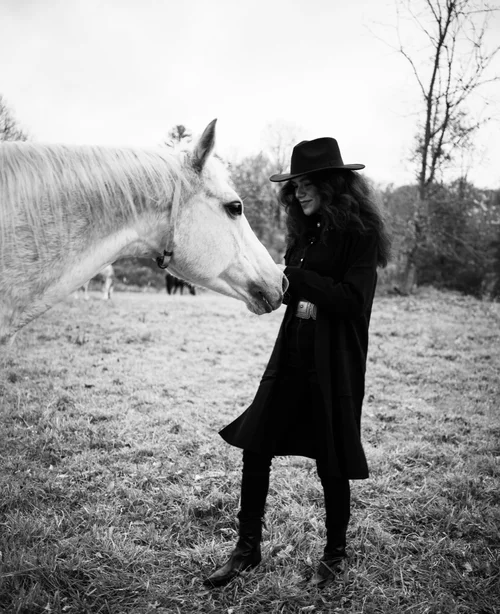
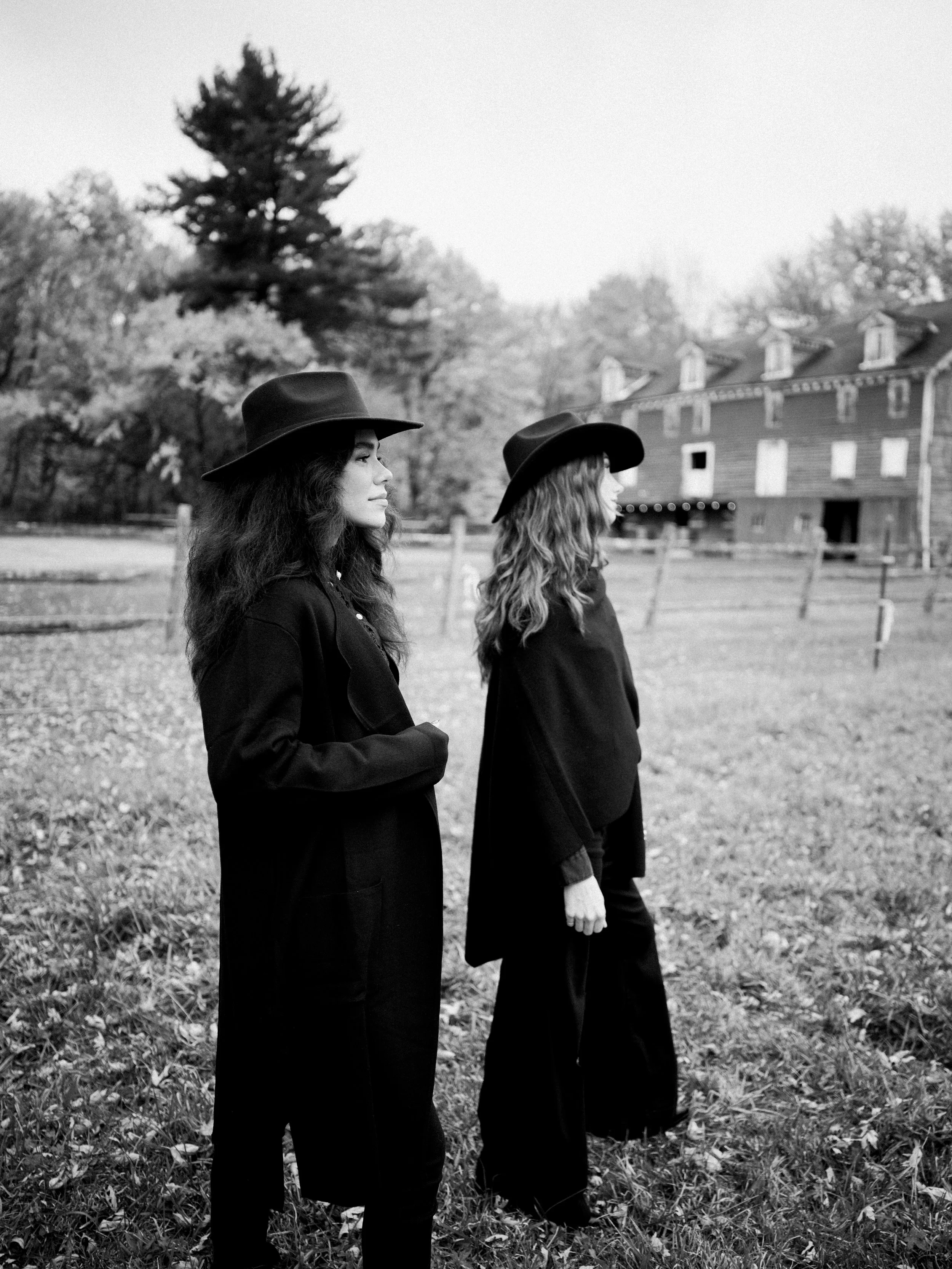
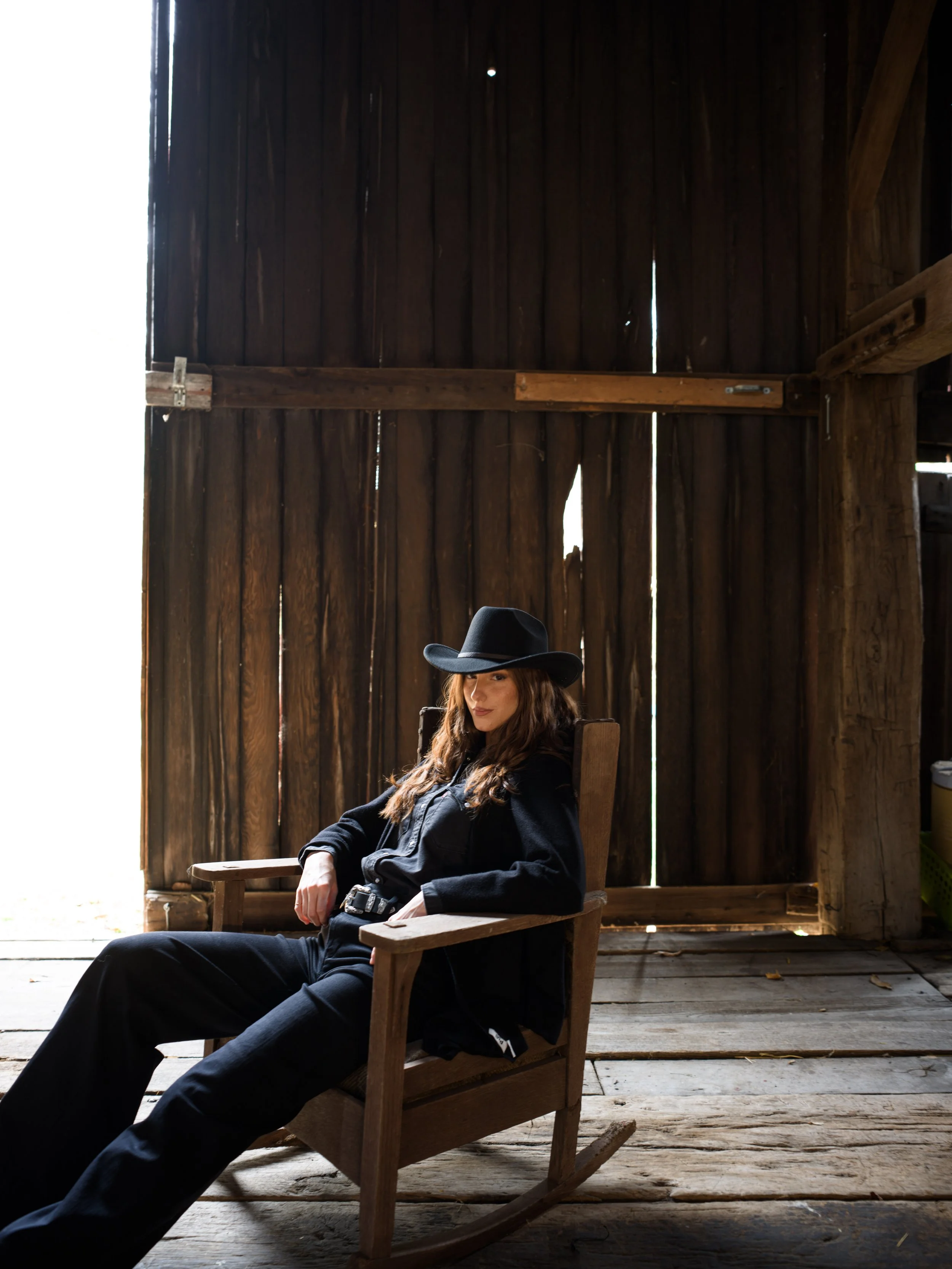
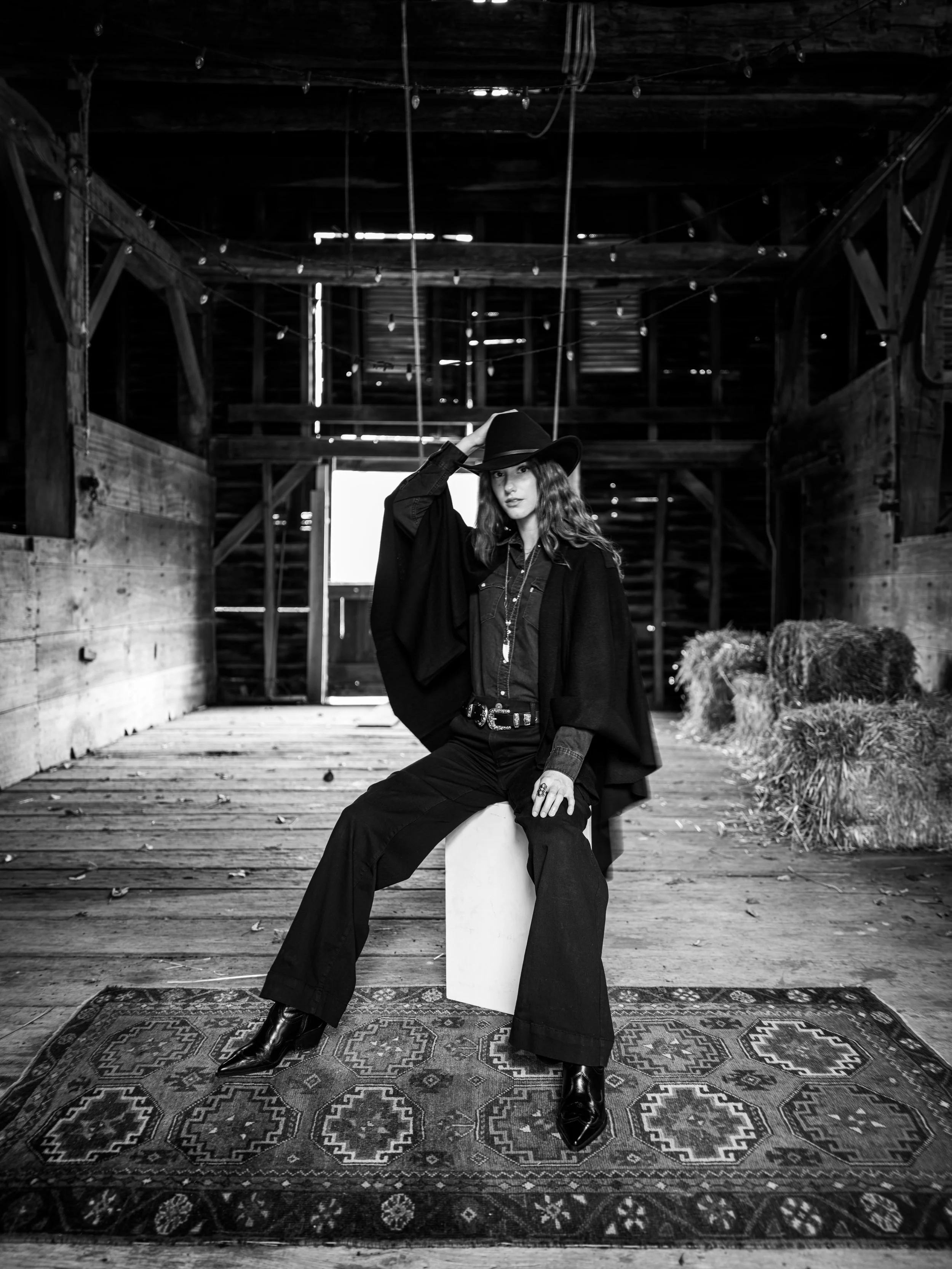
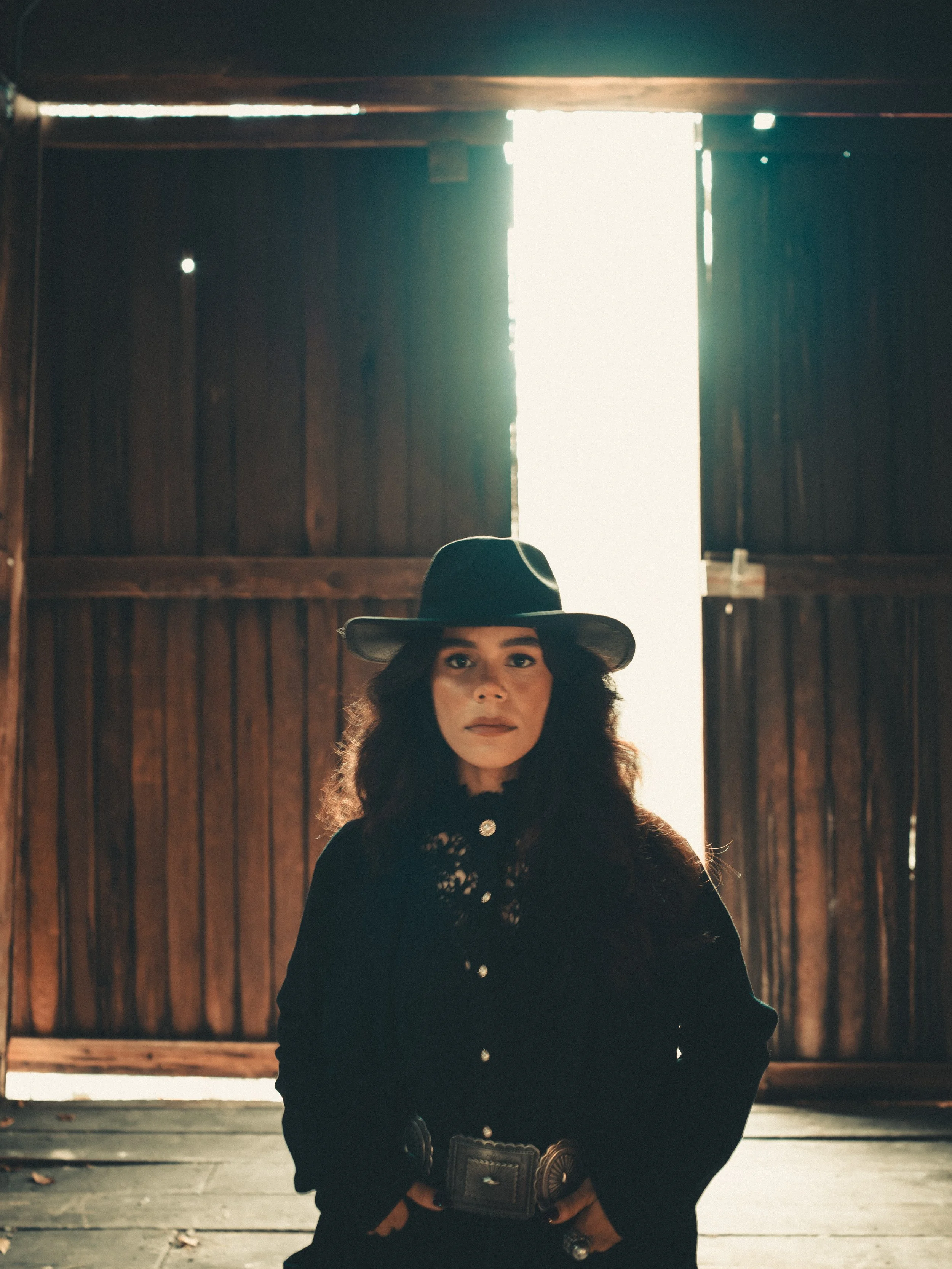
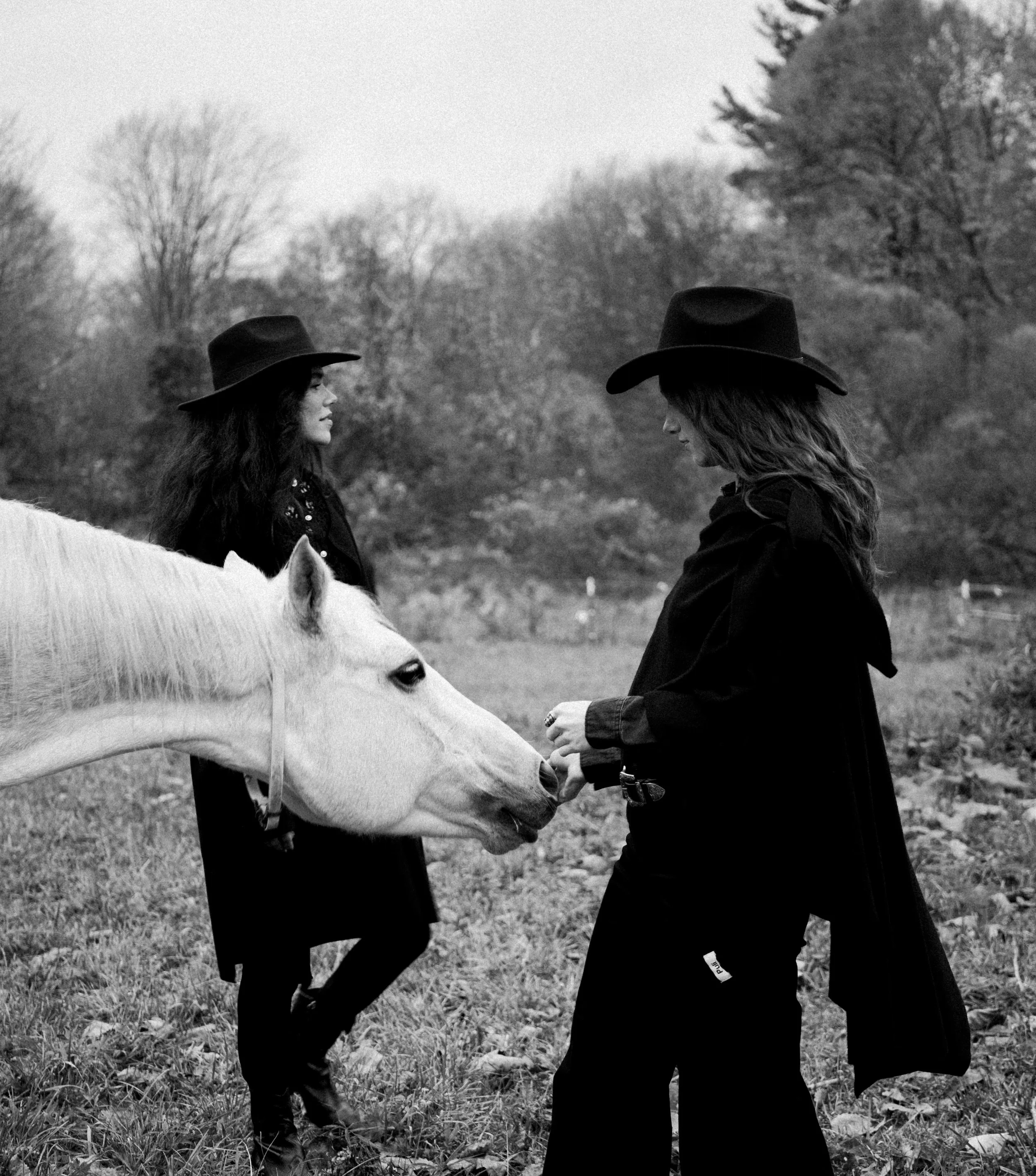
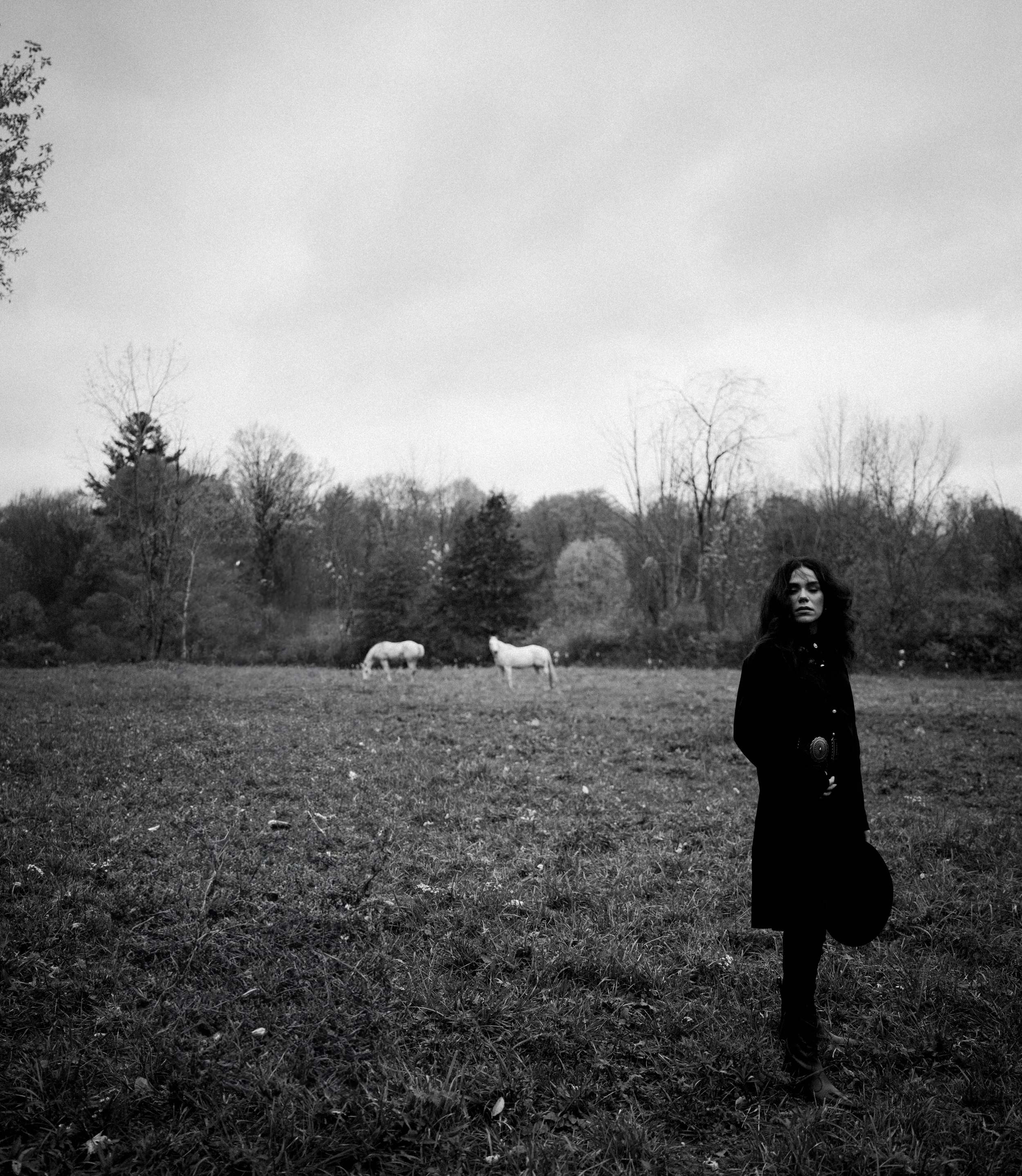
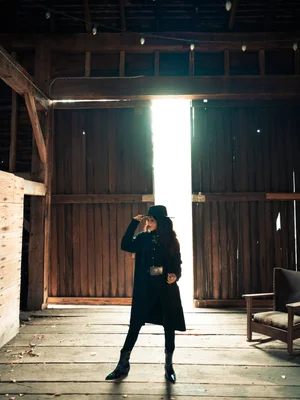
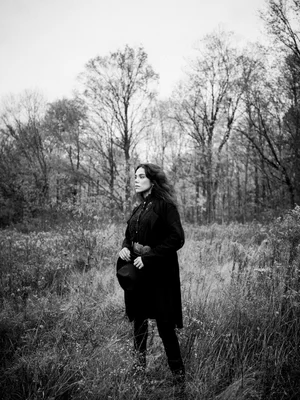
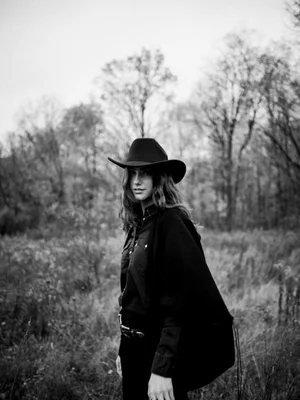
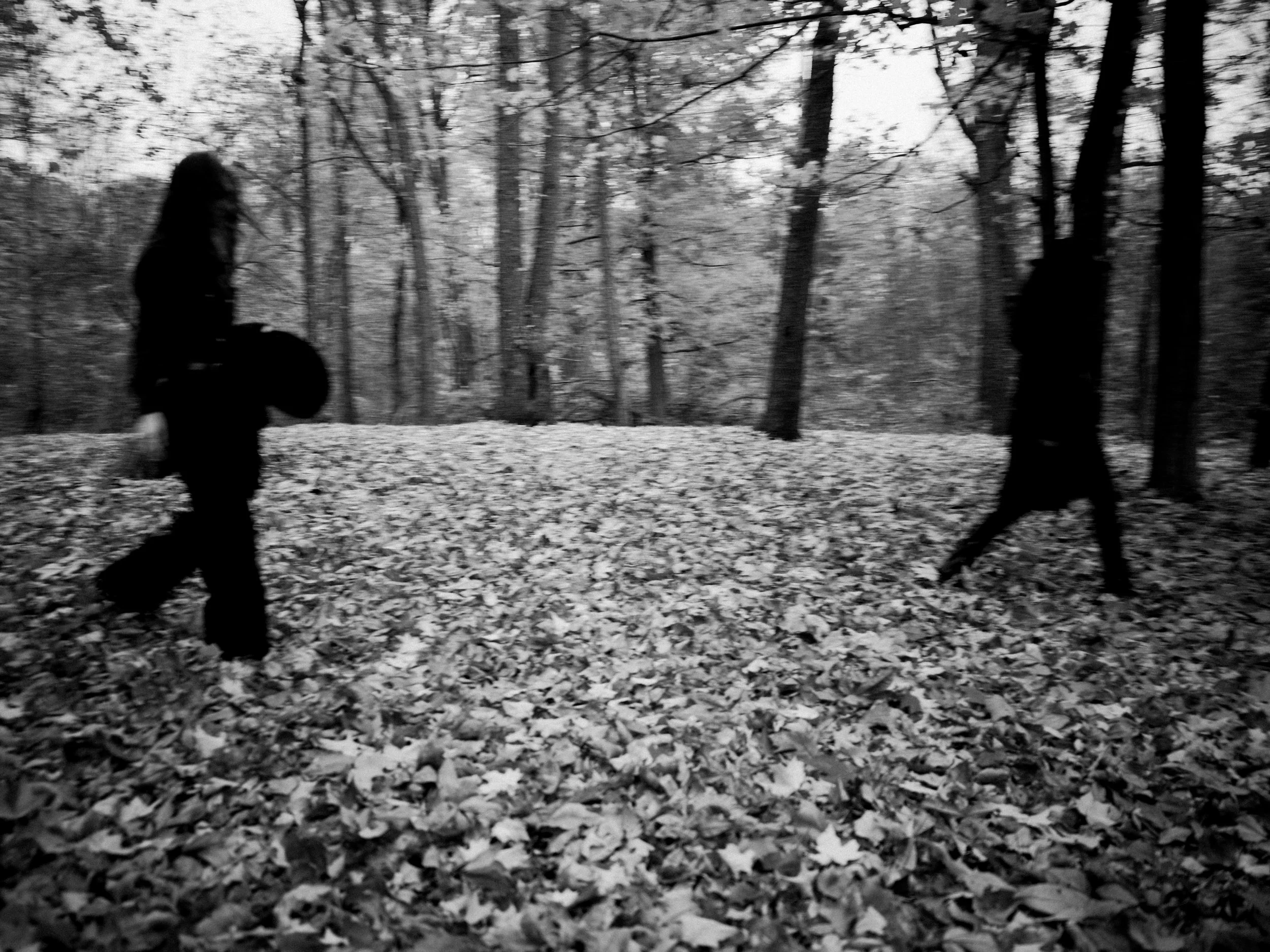
The West arrives first as a silhouette: black hats against a bleached sky, white horses moving through an October field, weathered boards holding the last of the light. These photographs begin there—not with nostalgia, but with presence.
In recent years, the cowgirl has moved from the edge of the frame toward the center. Once treated as a supporting character in a male frontier myth, she now reads as something fuller: strength without apology, independence without performance, femininity on her own terms.
Once confined to the shadows of their male counterparts, cowgirls refused the limits handed to them. They embraced the wide-open spaces, rode the untamed horses, worked cattle, built lives, and proved that resilience could look graceful without becoming fragile.
Do we need to make her tougher?
The camera answers: she already is.A conversation with the old Western myth
Making room for her own story.
The rise of the cowgirl belongs to a wider change: women claiming the right to define their own lives. As ideas about equality expanded, so did the picture of who could occupy the landscape, lead the ride, and carry the story.
Social media changed the distance between that life and the rest of the world. Through photographs, film, and first-person narratives, cowgirls could speak for themselves. The image stopped being handed down as folklore and started arriving in real time—personal, stylish, imperfect, and alive.
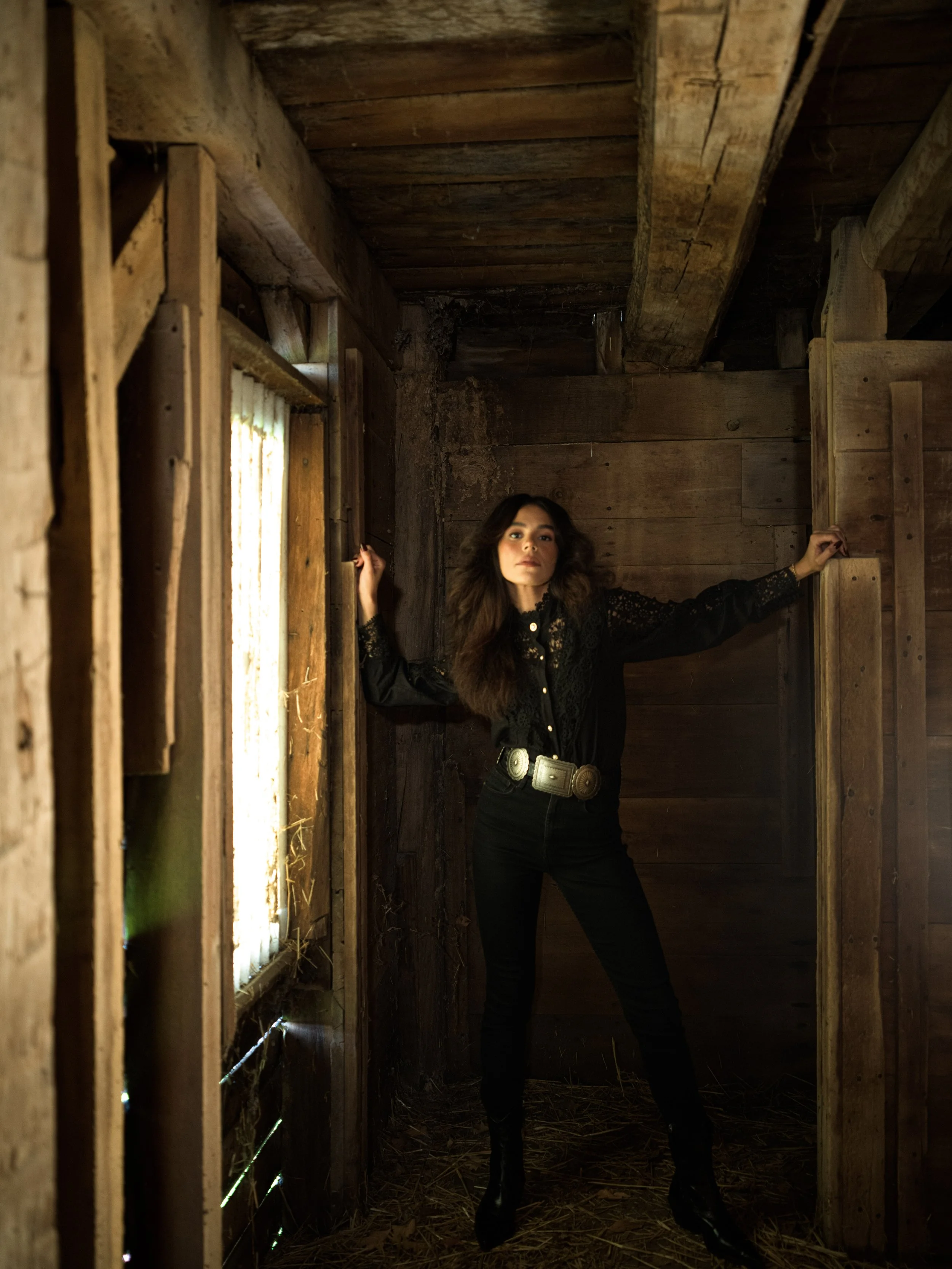
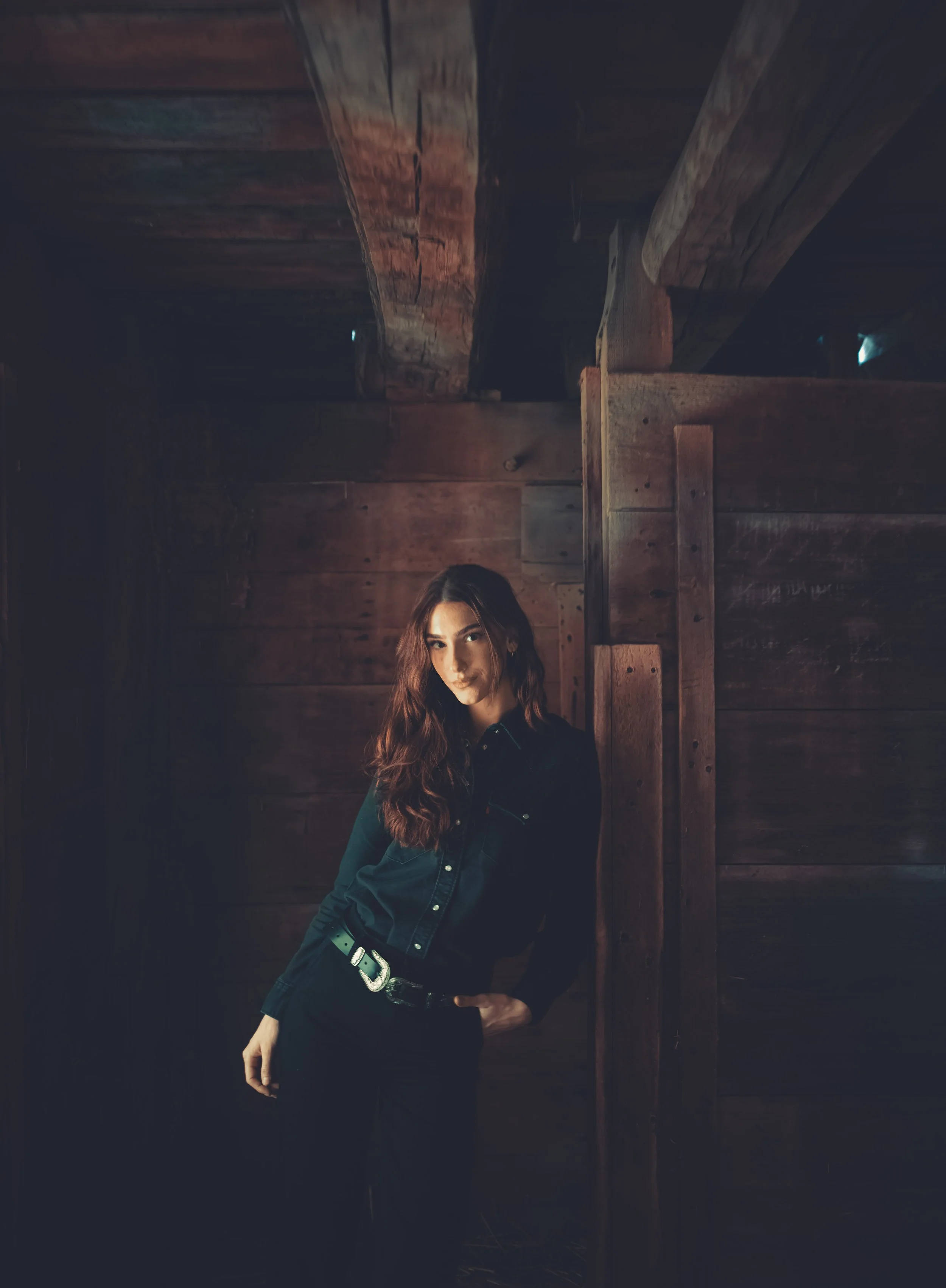
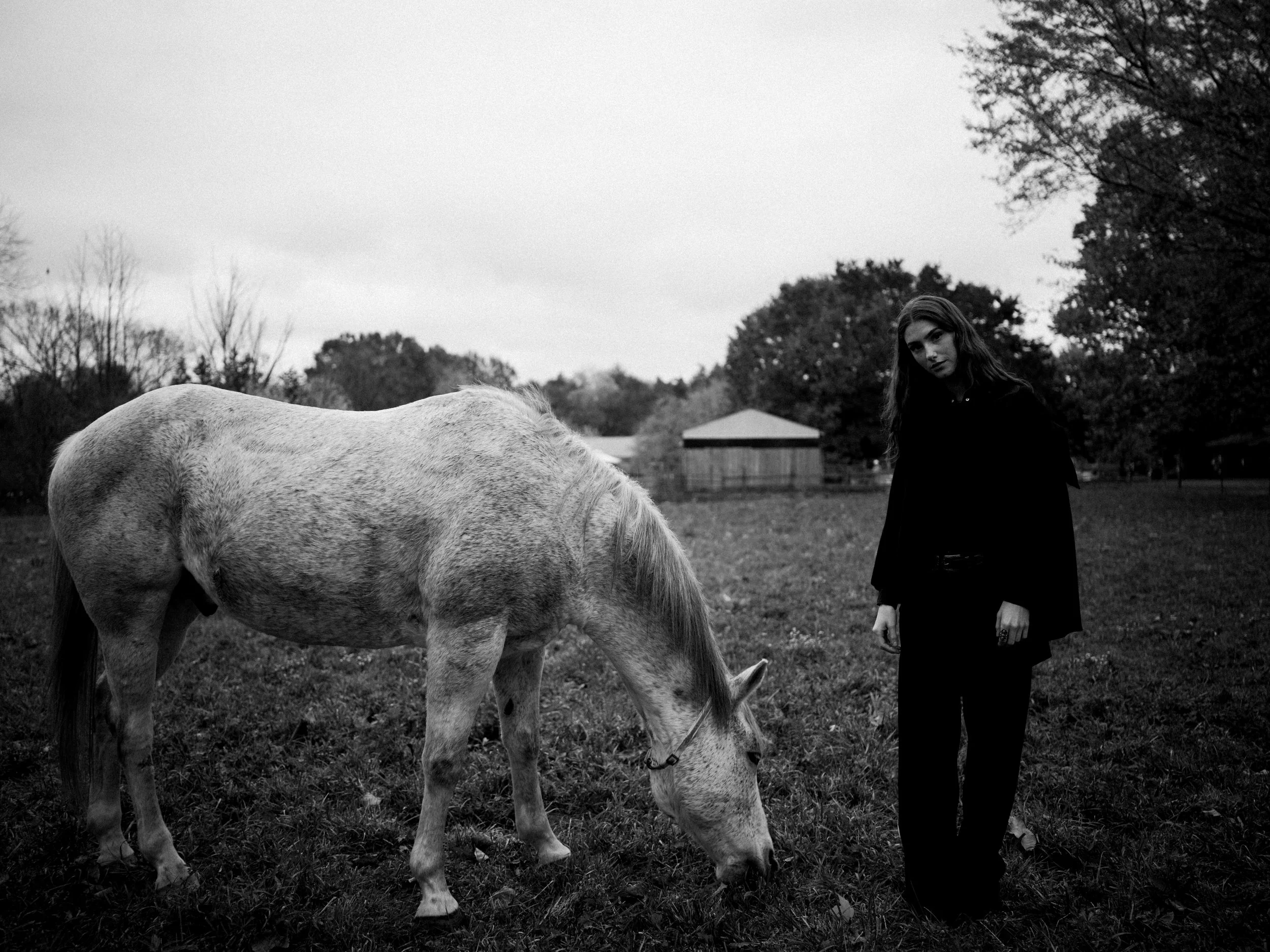
Light, dust, stillness—and the woman beneath the silhouette.
Film and television have always loved the outline: the brim, the boot, the horse, the horizon. Too often they missed the woman beneath it.
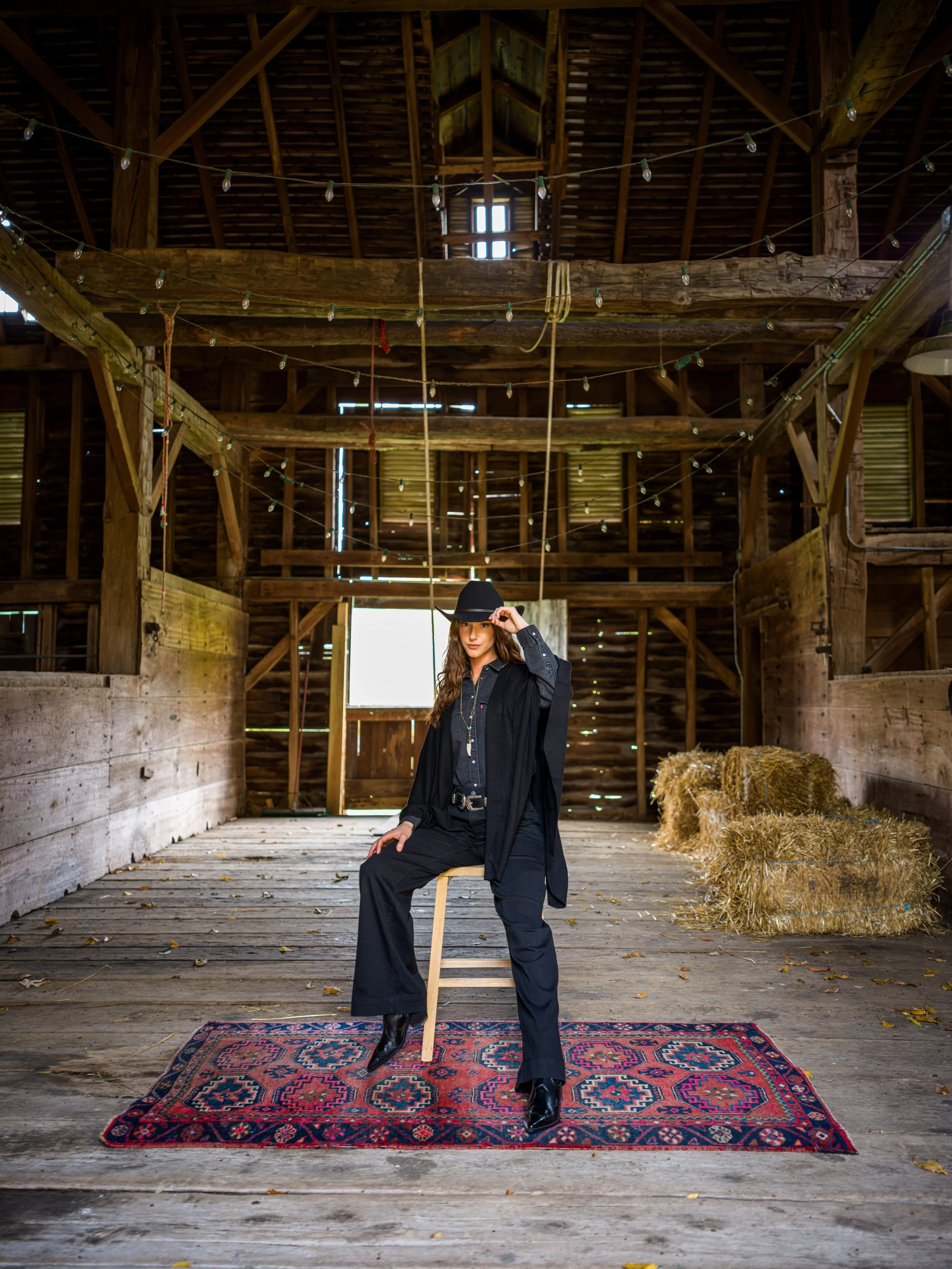
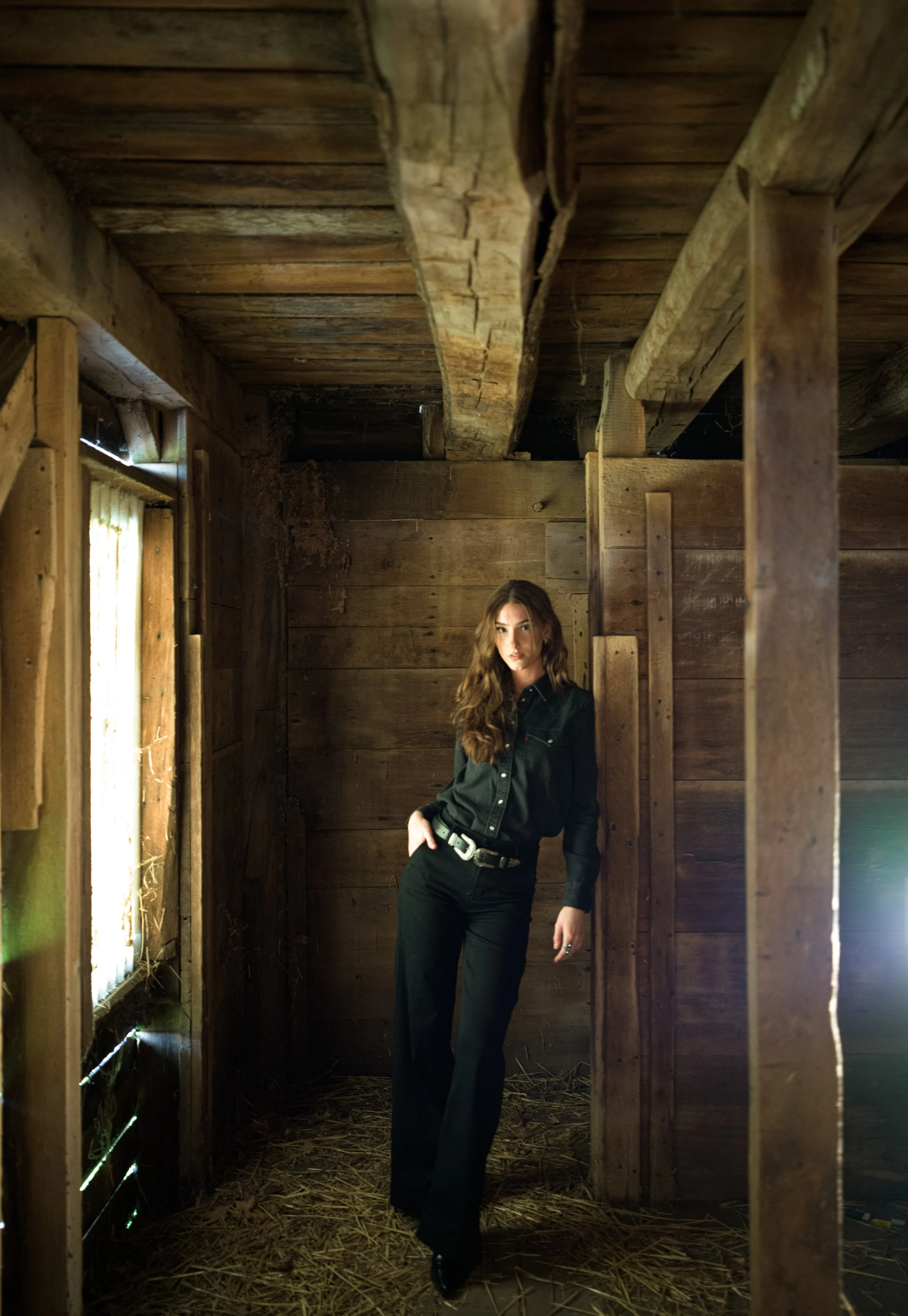
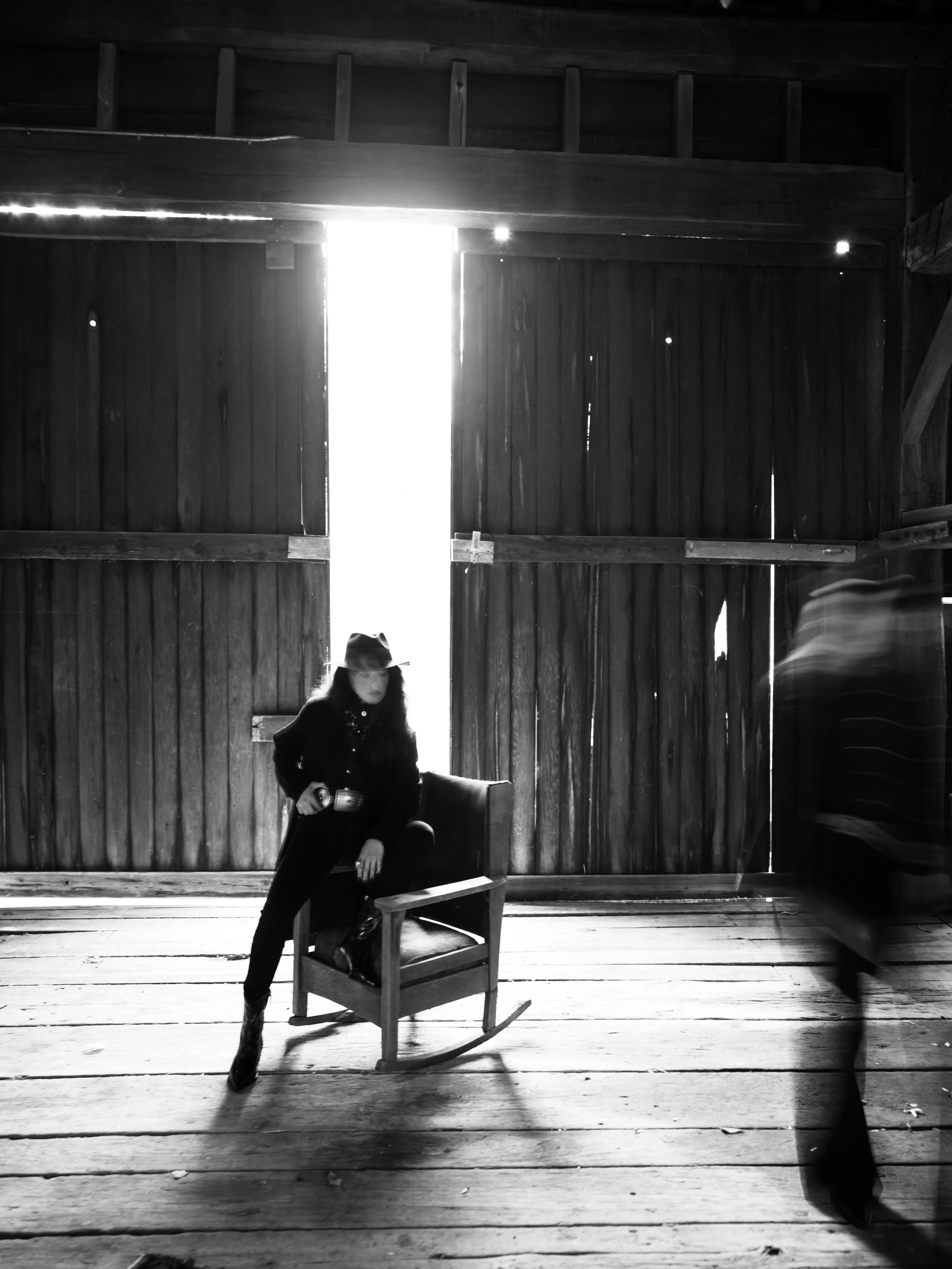
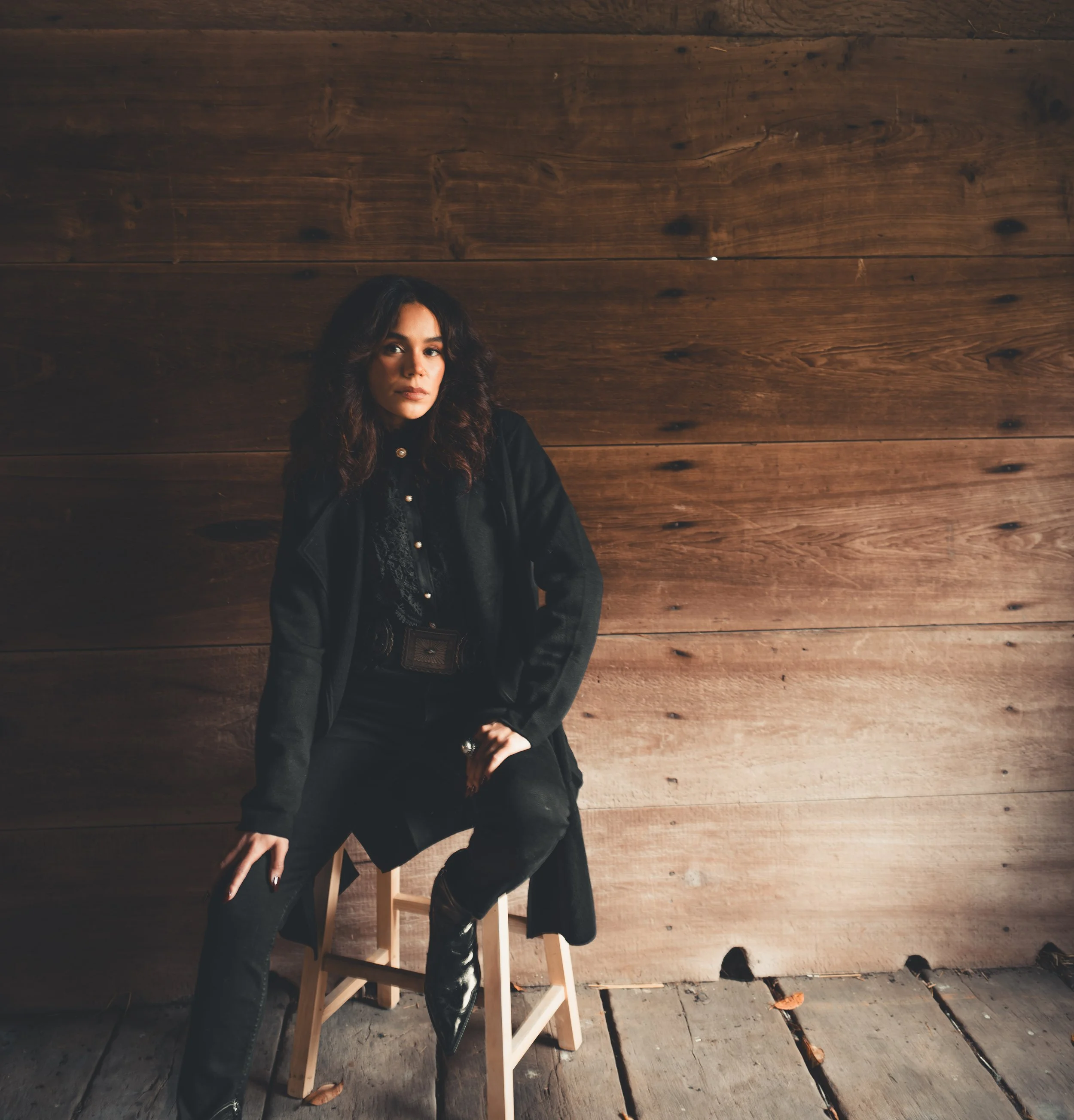
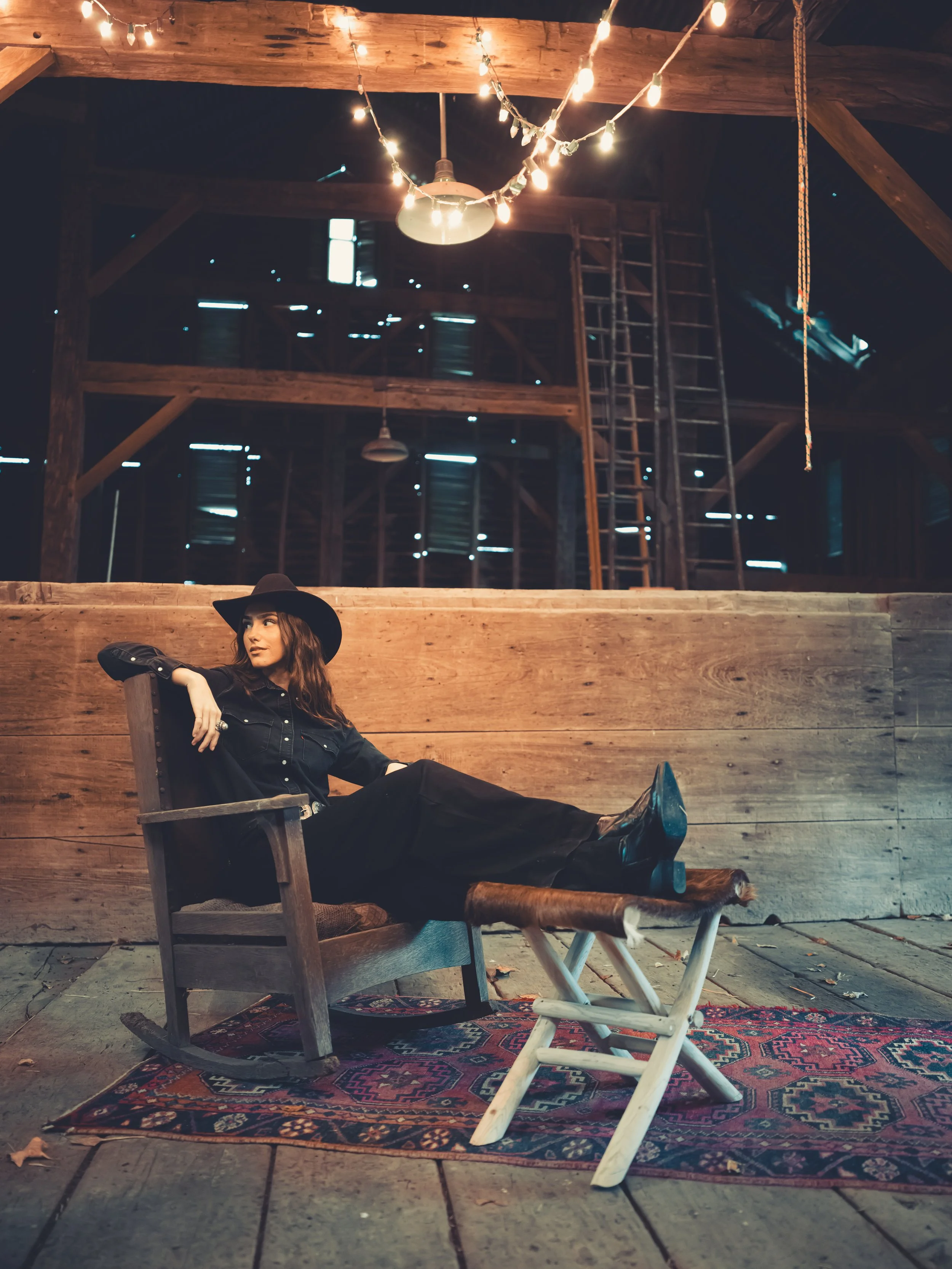
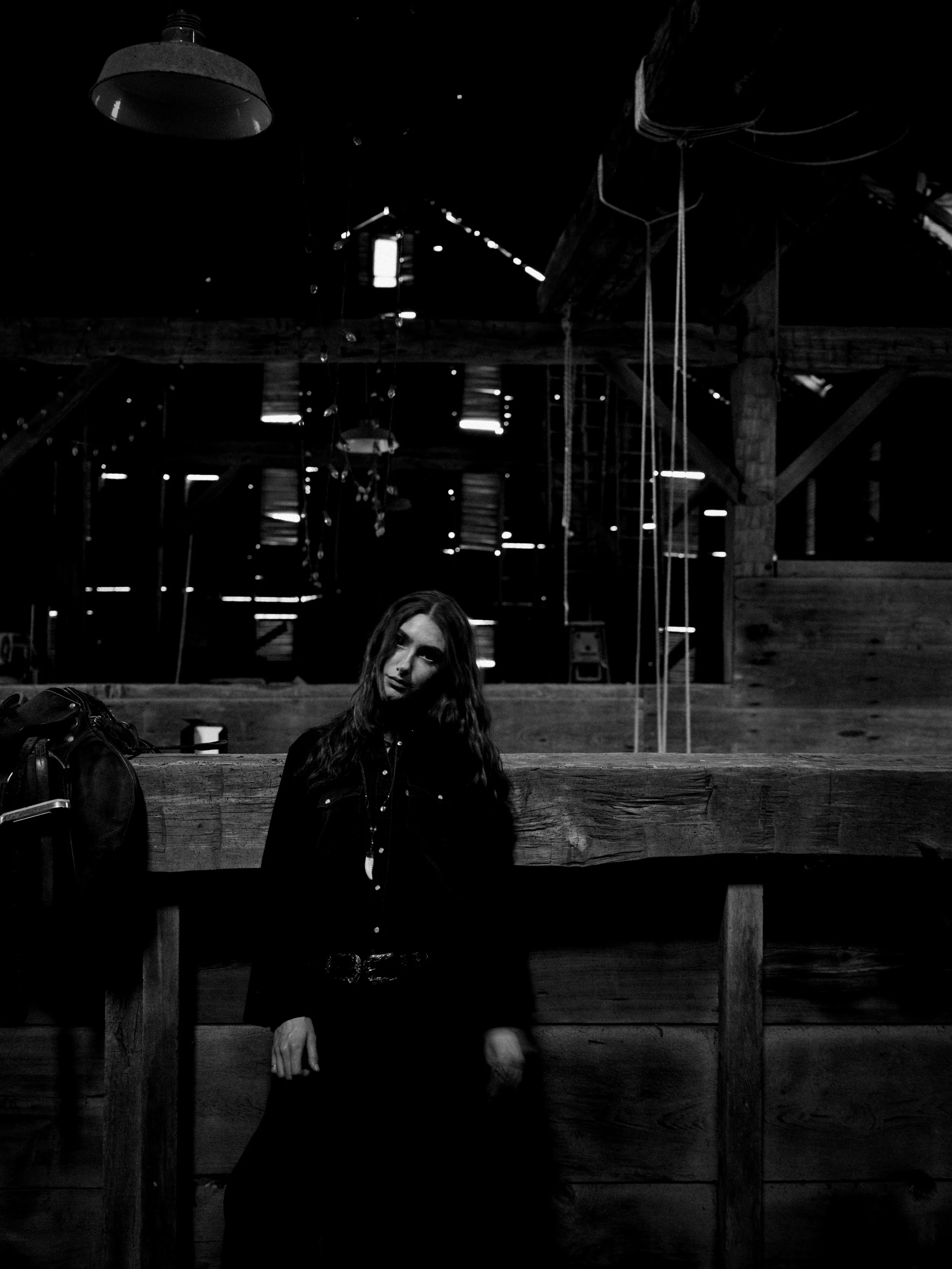
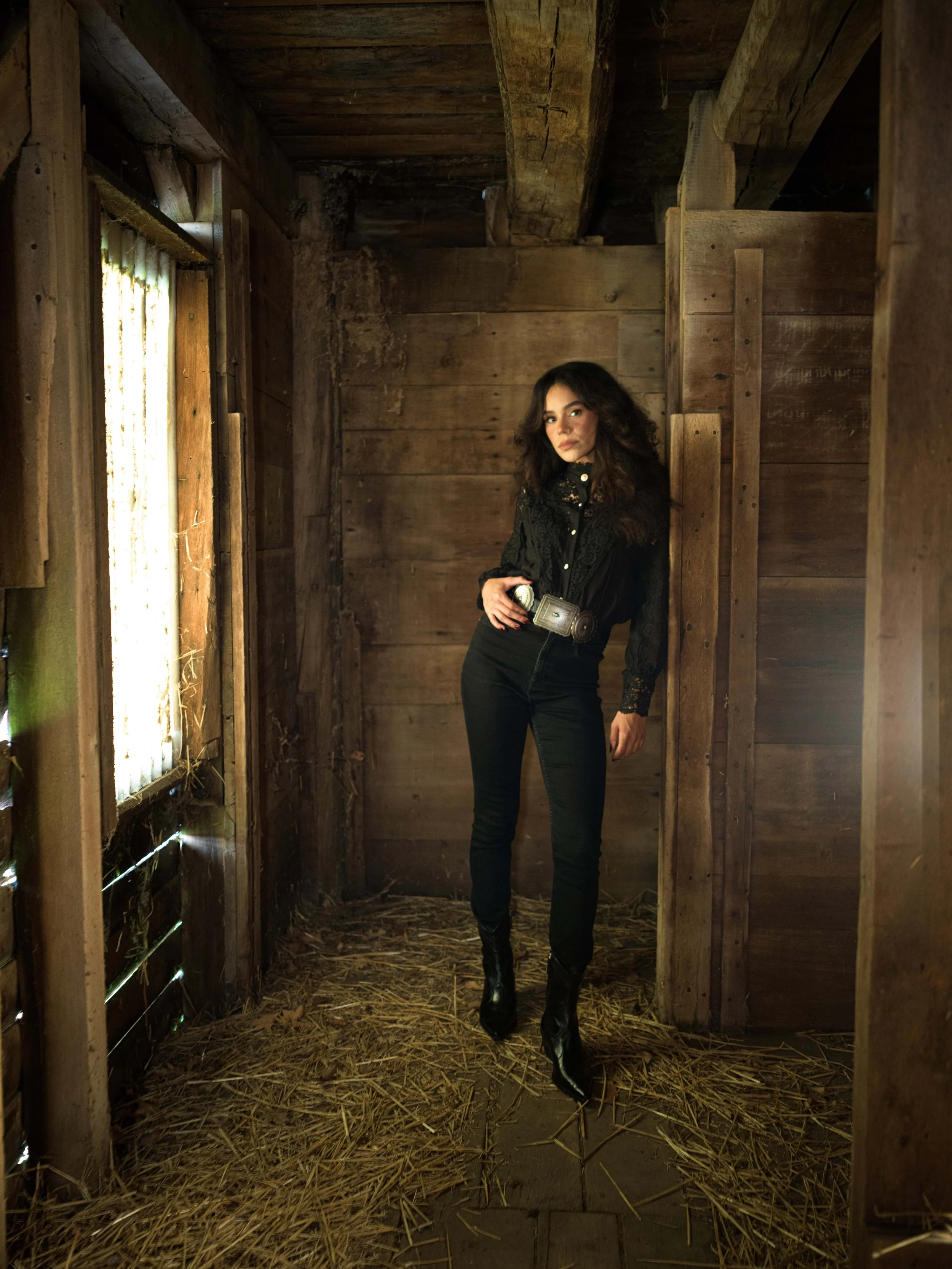
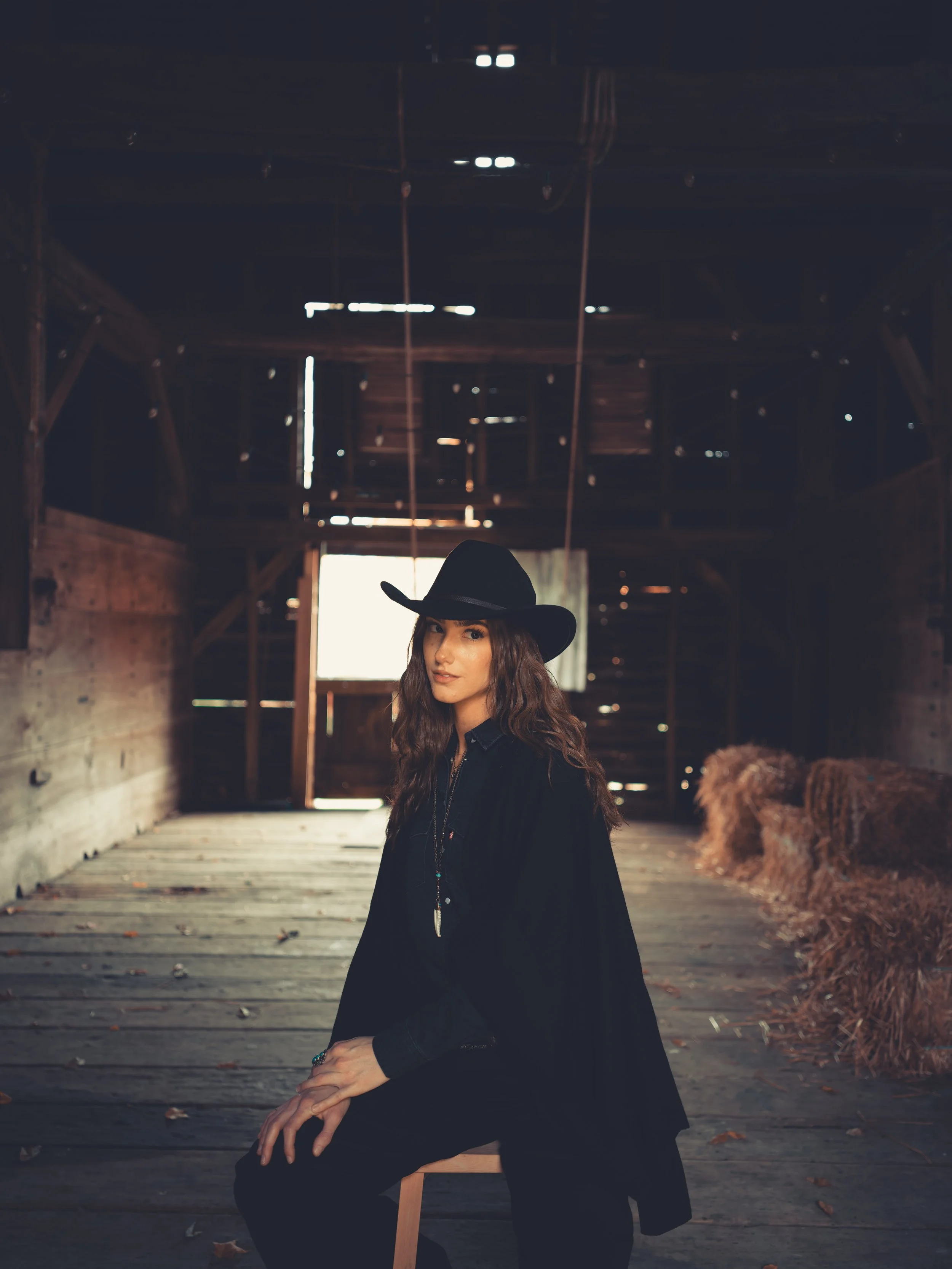
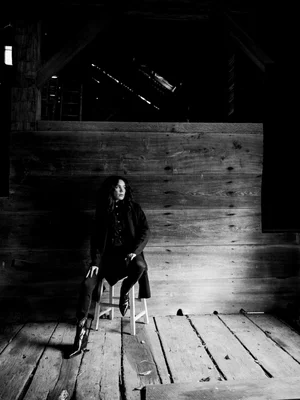
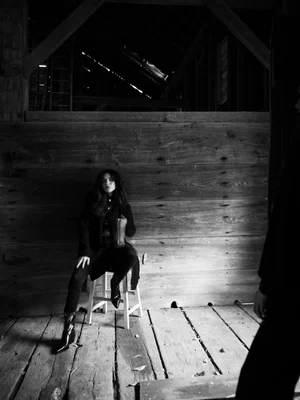
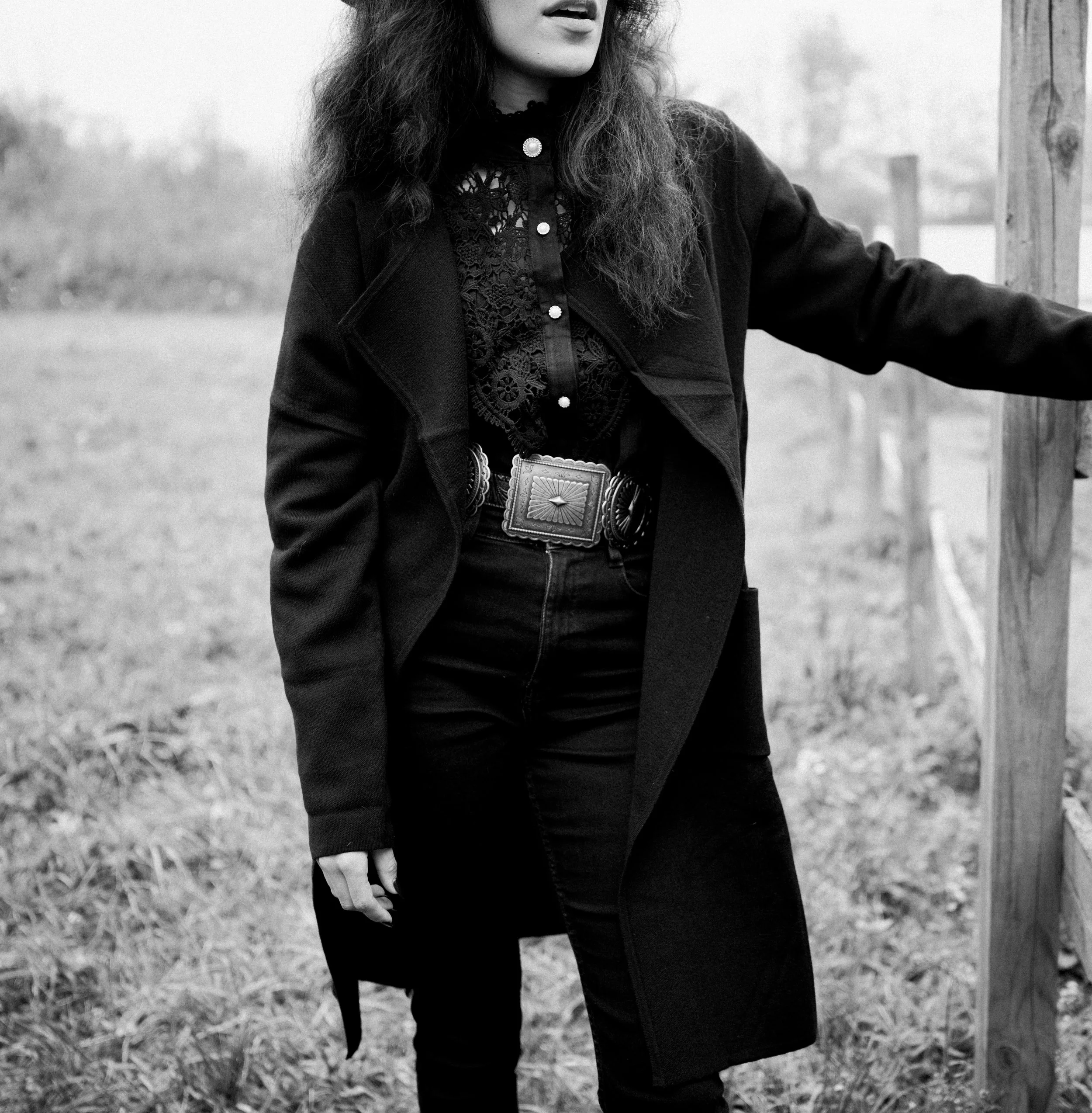
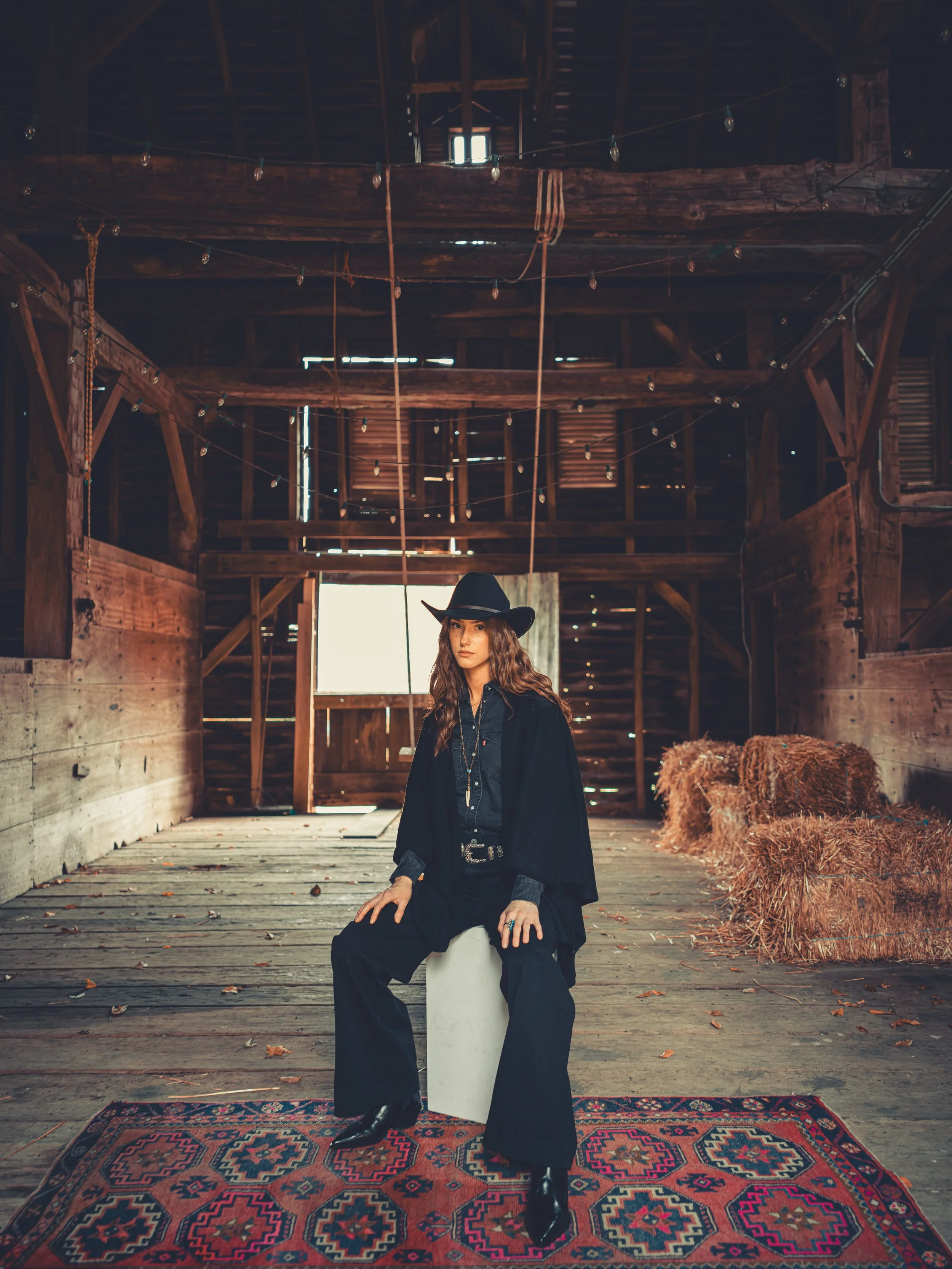
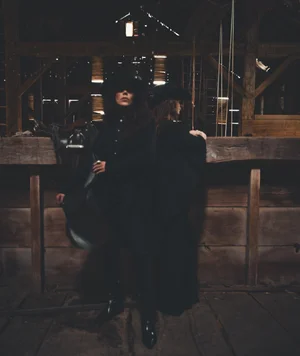
These photographs slow the myth down. A glance across a fence. A quiet chair in a dark barn. A hand settling at the waist before the shutter falls. Strength does not need to announce itself; sometimes it simply holds its ground.
Entirely herself. How ’bout them cowgirls
The myth travels. The spirit remains.
The cowgirl’s influence no longer belongs to one country or one kind of landscape. Rodeos, equestrian culture, Western dress, and the visual language of the frontier have crossed borders and found new lives.
But the appeal is larger than the hat or the boots. It is the idea of meeting a vast landscape and remaining entirely yourself. The modern cowgirl carries the enduring spirit of the West while making room for beauty, humor, sensuality, and contradiction.
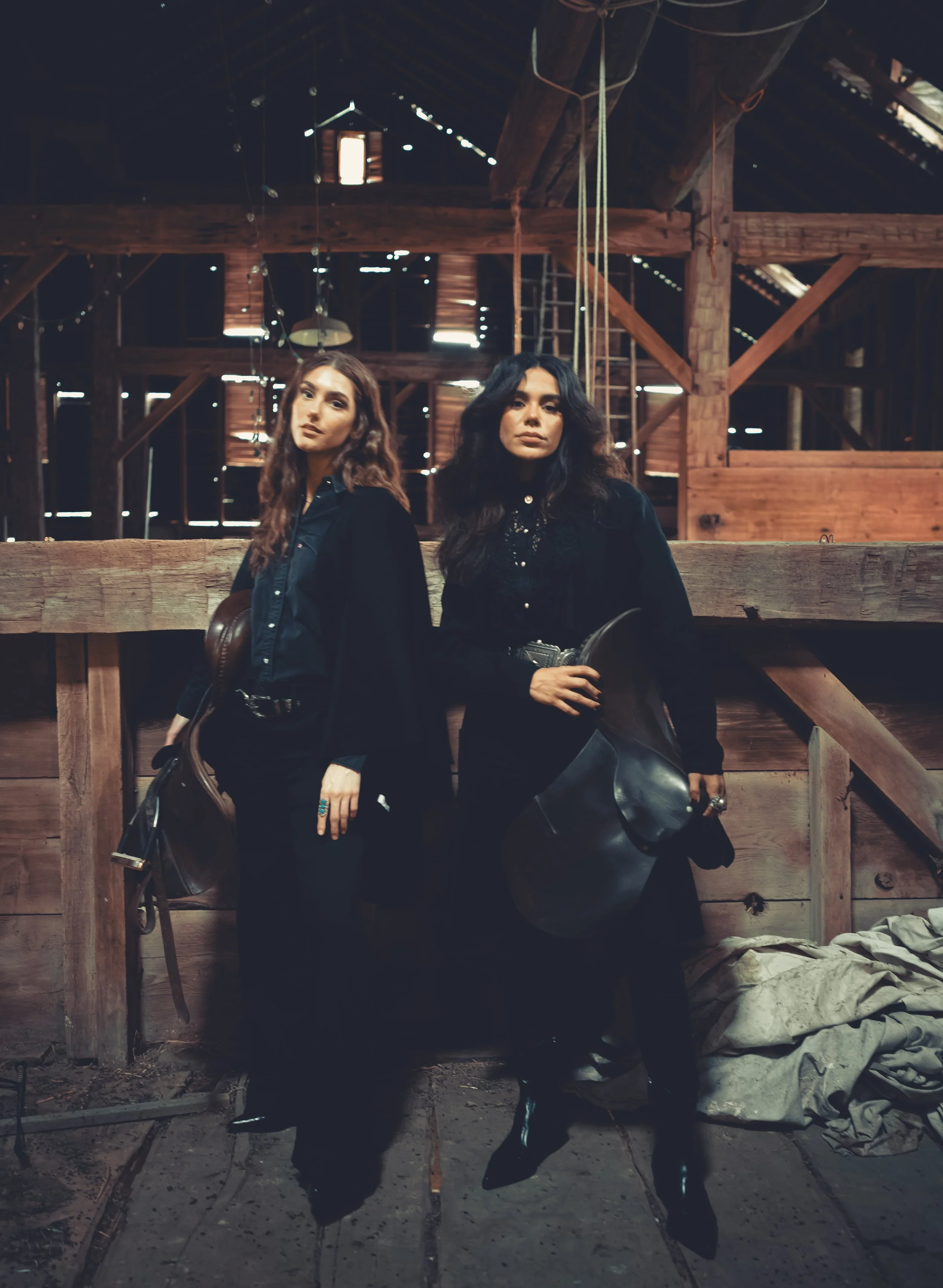
That is what these portraits hold: not a costume, but a point of view.
How ’Bout
Them
Cowgirls
The West was never only his.
The West arrives first as a silhouette: black hats against a bleached sky, white horses moving through an October field, weathered boards holding the last of the light. These photographs begin there—not with nostalgia, but with presence.
In recent years, the cowgirl has moved from the edge of the frame toward the center. Once treated as a supporting character in a male frontier myth, she now reads as something fuller: strength without apology, independence without performance, femininity on her own terms.
Once confined to the shadows of their male counterparts, cowgirls refused the limits handed to them. They embraced the wide-open spaces, rode the untamed horses, worked cattle, built lives, and proved that resilience could look graceful without becoming fragile.
Do we need to make her tougher?
The camera answers: she already is.A conversation with the old Western myth
Making room for her own story.
The rise of the cowgirl belongs to a wider change: women claiming the right to define their own lives. As ideas about equality expanded, so did the picture of who could occupy the landscape, lead the ride, and carry the story.
Social media changed the distance between that life and the rest of the world. Through photographs, film, and first-person narratives, cowgirls could speak for themselves. The image stopped being handed down as folklore and started arriving in real time—personal, stylish, imperfect, and alive.
What the lens keeps.
Film and television have always loved the outline: the brim, the boot, the horse, the horizon. Too often they missed the woman beneath it.
These photographs slow the myth down. A glance across a fence. A quiet chair in a dark barn. A hand settling at the waist before the shutter falls. Strength does not need to announce itself; sometimes it simply holds its ground.
Entirely herself. How ’bout them cowgirls
The myth travels. The spirit remains.
The cowgirl’s influence no longer belongs to one country or one kind of landscape. Rodeos, equestrian culture, Western dress, and the visual language of the frontier have crossed borders and found new lives.
But the appeal is larger than the hat or the boots. It is the idea of meeting a vast landscape and remaining entirely yourself. The modern cowgirl carries the enduring spirit of the West while making room for beauty, humor, sensuality, and contradiction.
That is what these portraits hold: not a costume, but a point of view.
How ’Bout
Them
Cowgirls
The West was never only his.
The West arrives first as a silhouette: black hats against a bleached sky, white horses moving through an October field, weathered boards holding the last of the light. These photographs begin there—not with nostalgia, but with presence.
In recent years, the cowgirl has moved from the edge of the frame toward the center. Once treated as a supporting character in a male frontier myth, she now reads as something fuller: strength without apology, independence without performance, femininity on her own terms.
Once confined to the shadows of their male counterparts, cowgirls refused the limits handed to them. They embraced the wide-open spaces, rode the untamed horses, worked cattle, built lives, and proved that resilience could look graceful without becoming fragile.
Do we need to make her tougher?
The camera answers: she already is.A conversation with the old Western myth
Making room for her own story.
The rise of the cowgirl belongs to a wider change: women claiming the right to define their own lives. As ideas about equality expanded, so did the picture of who could occupy the landscape, lead the ride, and carry the story.
Social media changed the distance between that life and the rest of the world. Through photographs, film, and first-person narratives, cowgirls could speak for themselves. The image stopped being handed down as folklore and started arriving in real time—personal, stylish, imperfect, and alive.
What the lens keeps.
Film and television have always loved the outline: the brim, the boot, the horse, the horizon. Too often they missed the woman beneath it.
These photographs slow the myth down. A glance across a fence. A quiet chair in a dark barn. A hand settling at the waist before the shutter falls. Strength does not need to announce itself; sometimes it simply holds its ground.
Entirely herself. How ’bout them cowgirls
The myth travels. The spirit remains.
The cowgirl’s influence no longer belongs to one country or one kind of landscape. Rodeos, equestrian culture, Western dress, and the visual language of the frontier have crossed borders and found new lives.
But the appeal is larger than the hat or the boots. It is the idea of meeting a vast landscape and remaining entirely yourself. The modern cowgirl carries the enduring spirit of the West while making room for beauty, humor, sensuality, and contradiction.
That is what these portraits hold: not a costume, but a point of view.